By Paige Cochran
When you begin searching for homes in Santa Fe, NM, it's easy to get caught up in the numbers. Square footage, bedroom count, price per square foot — these metrics dominate listings and filter menus, but they rarely tell you what it actually feels like to live there. The homes that end up being the right fit almost never come down to how many rooms they have. They come down to how the light moves through the main living area in the afternoon, whether the lot captures the views, and how the property performs against the realities of high desert living.
Buying a home in Santa Fe is a different process than buying in most other U.S. markets. The architecture here is unlike anywhere else in the country, the climate creates specific performance needs on a property, and the land itself carries details that can matter enormously over time.
This guide gives you a Santa Fe-specific framework for your home search — one that goes well beyond square footage and helps you see each property the way an experienced local buyer would.
Key Takeaways
-
Square footage tells you very little about how a home in Santa Fe actually lives or performs over time.
-
Adobe and territorial-style construction require specific evaluation criteria that differ from conventional wood-frame homes.
-
Lot orientation, sun exposure, and outdoor living spaces are major factors in how enjoyable a property is year-round.
-
Water rights, drainage, and site conditions are Santa Fe-specific details that every buyer should investigate.
-
The details that make a home feel right in Santa Fe often aren't in the listing description at all.
Adobe and Construction Quality: What the Walls Are Really Telling You
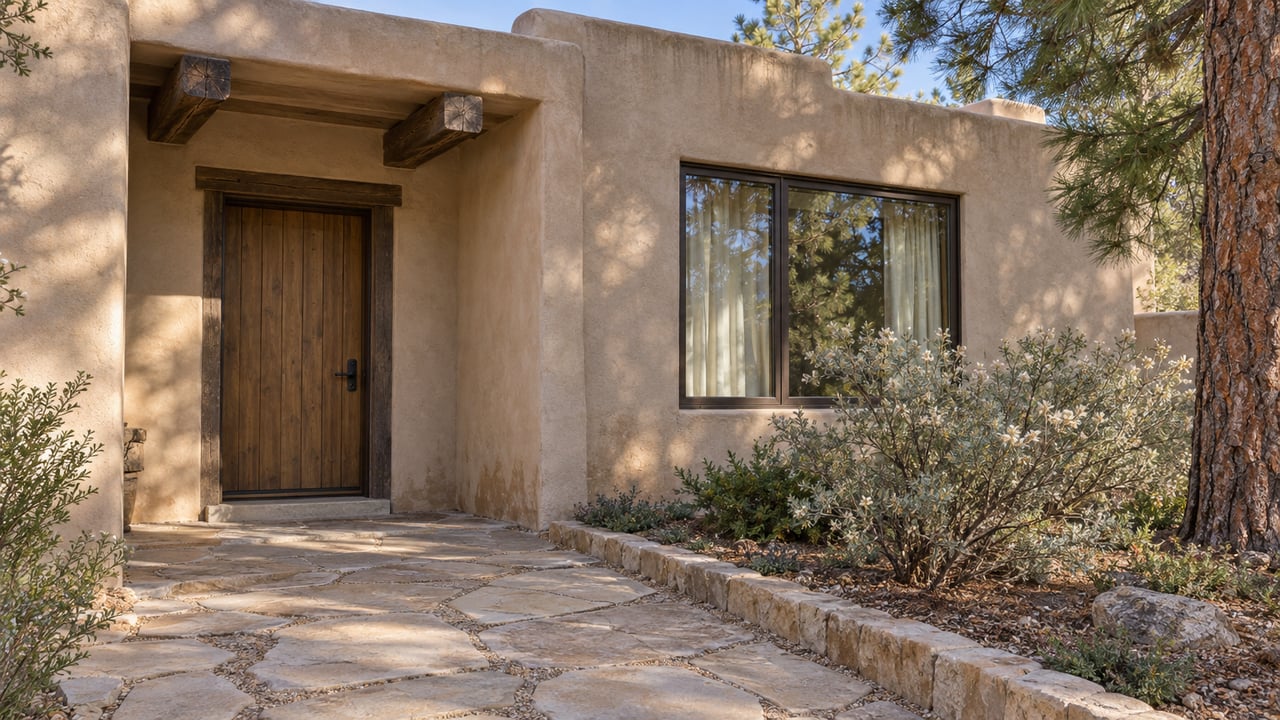
In most markets, the phrase "solid construction" is somewhat generic. In Santa Fe, it means something specific. The vast majority of homes here are built with adobe, rammed earth, or a combination of materials that includes stucco over frame construction designed to look like traditional adobe. These are not equivalent, and knowing the difference matters both for maintenance costs and for how the home performs thermally over the seasons.
True adobe and thick-wall construction acts as a thermal mass, absorbing heat during the day and releasing it slowly at night. This is one of the reasons why Santa Fe’s homes can feel so comfortable even on days when temperatures swing dramatically from morning to afternoon. But this performance depends on the integrity of the walls, the quality of the parapet construction, and whether there has been any water intrusion over time. Surface stucco can look pristine and still conceal moisture damage that took years to develop.
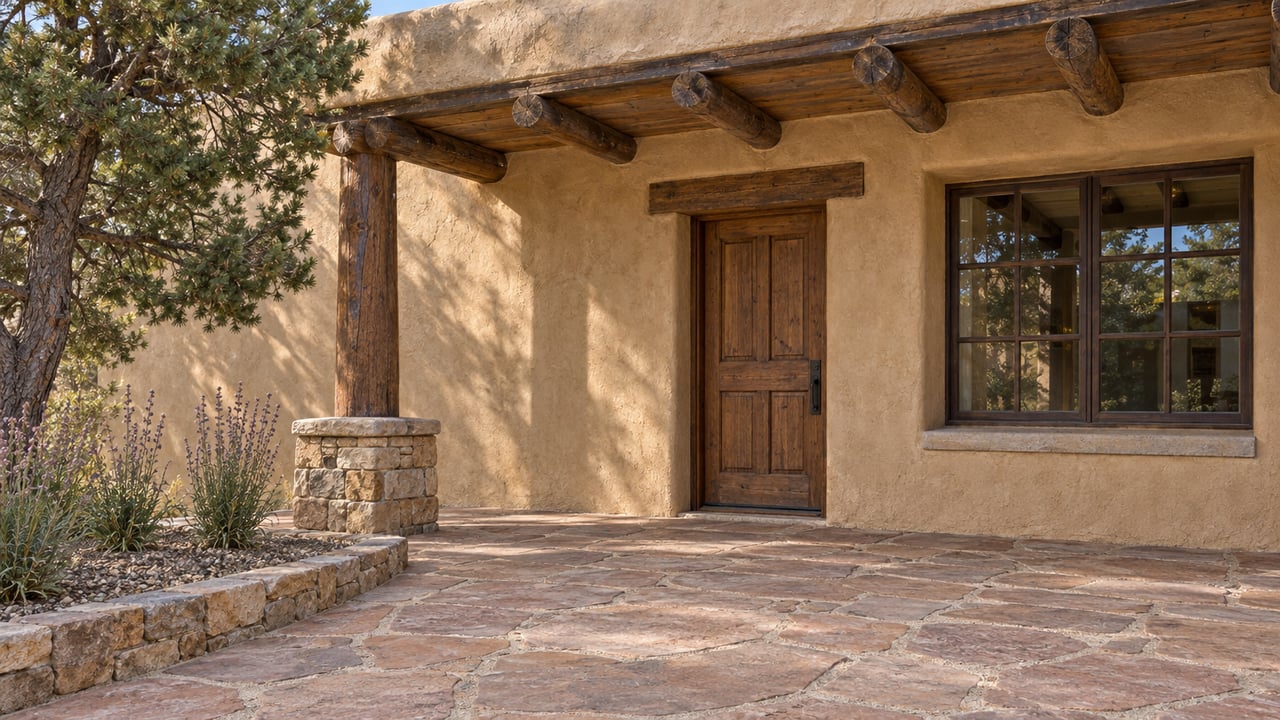
When you're touring homes in Santa Fe, pay attention to the ceiling and wall junctions, look at the condition of the vigas (the exposed wooden beams that extend through the wall), and notice whether there are soft spots or staining anywhere on interior plaster surfaces. A home inspection in this market should ideally involve someone with specific experience in adobe and historic construction.
True adobe and thick-wall construction acts as a thermal mass, absorbing heat during the day and releasing it slowly at night. This is one of the reasons why Santa Fe’s homes can feel so comfortable even on days when temperatures swing dramatically from morning to afternoon. But this performance depends on the integrity of the walls, the quality of the parapet construction, and whether there has been any water intrusion over time. Surface stucco can look pristine and still conceal moisture damage that took years to develop.
When you're touring homes in Santa Fe, pay attention to the ceiling and wall junctions, look at the condition of the vigas (the exposed wooden beams that extend through the wall), and notice whether there are soft spots or staining anywhere on interior plaster surfaces. A home inspection in this market should ideally involve someone with specific experience in adobe and historic construction.
What To Evaluate in Construction and Structure
-
Viga condition, including any signs of staining, sagging, or pest damage at the points where they enter the walls.
-
Parapet condition on flat-roof sections, since these are a common source of water intrusion if flashing and drainage are not maintained.
-
Whether the home uses true adobe, rammed earth, frame with stucco cladding, or a combination.
-
The age and condition of any portal (covered porch) attached to the structure, since these are often the first area to show deferred maintenance.
-
Fireplace and kiva fireplace condition, including whether they are functional and up to code.
Outdoor Living and Lot Orientation: The View Is Only Part of It
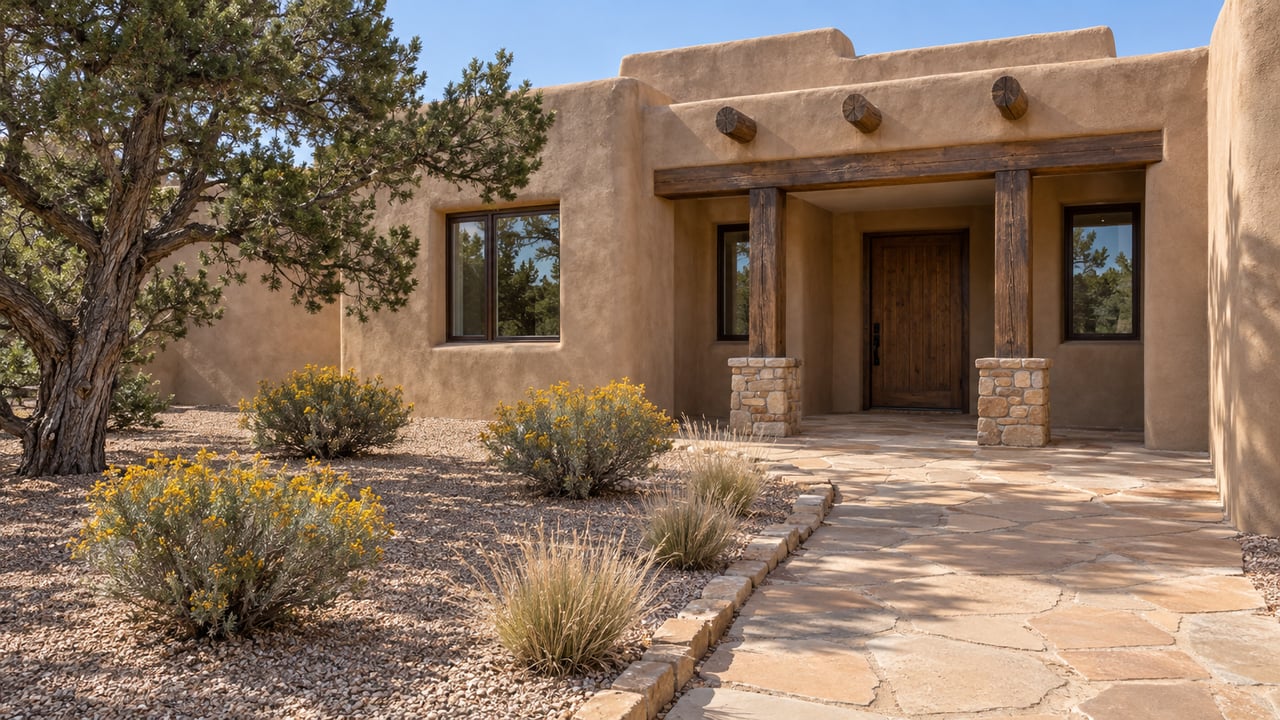
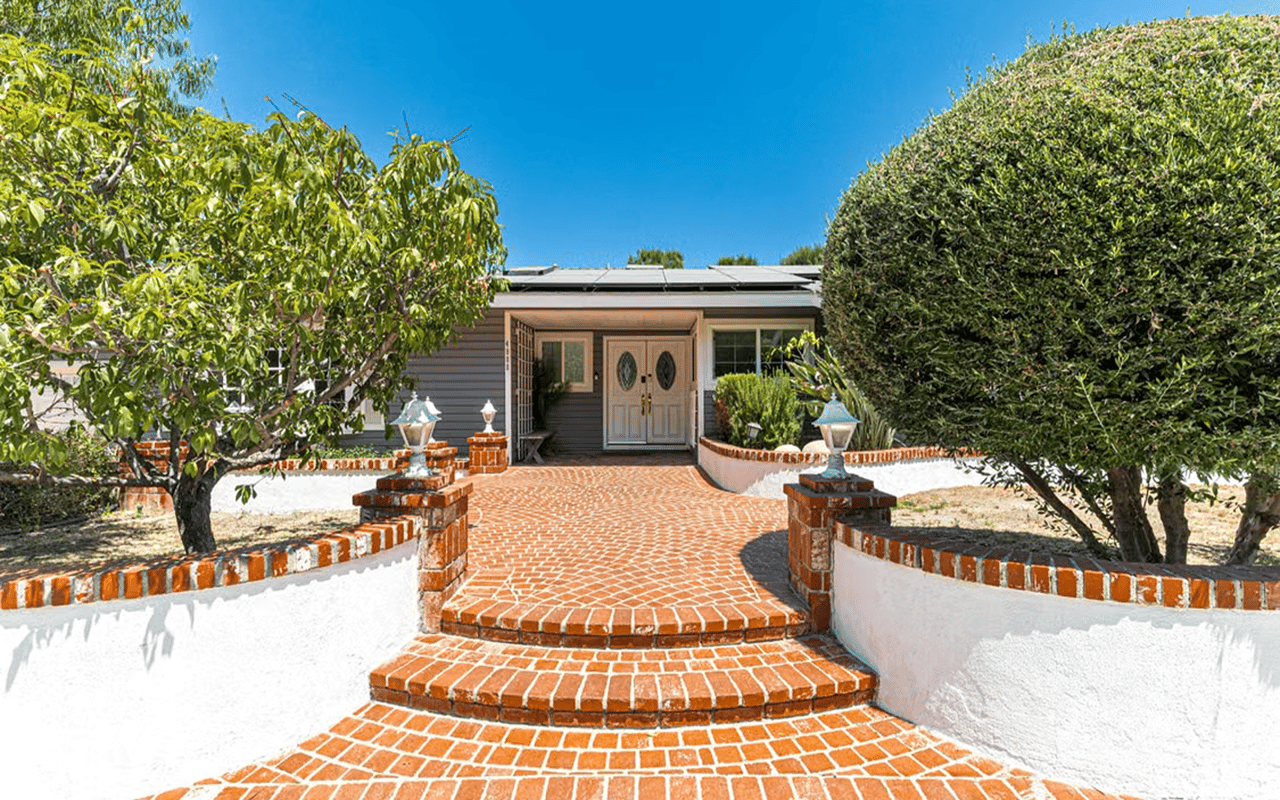
Santa Fe enjoys plenty of sunshine, which means that outdoor living space isn't a seasonal amenity here; it's a year-round feature of how a property functions. A home with a well-oriented courtyard, a protected portal, or a garden that catches the afternoon sun offers a different quality of daily life than a comparable home where the outdoor areas are either exposed to wind or shaded at the wrong times of day.
Lot orientation has a practical dimension beyond enjoyment. South-facing windows and living areas benefit from passive solar gain in winter, which can reduce heating costs in a meaningful way. North-facing areas stay cooler in summer. The most alluring Santa Fe homes are often designed around these orientations intentionally, and when you're evaluating properties, it's worth spending a few minutes thinking about where the sun is coming from and how that translates to livability across the full year.
Outdoor spaces in this market also vary enormously in usability. Walled courtyards, xeriscaped gardens, and portal-covered patios are not interchangeable with a backyard deck, and buyers who are new to Santa Fe sometimes underestimate how central these spaces become once you're actually living there. Look at the outdoor areas with the same level of attention you'd give to the kitchen.
Lot orientation has a practical dimension beyond enjoyment. South-facing windows and living areas benefit from passive solar gain in winter, which can reduce heating costs in a meaningful way. North-facing areas stay cooler in summer. The most alluring Santa Fe homes are often designed around these orientations intentionally, and when you're evaluating properties, it's worth spending a few minutes thinking about where the sun is coming from and how that translates to livability across the full year.
Outdoor spaces in this market also vary enormously in usability. Walled courtyards, xeriscaped gardens, and portal-covered patios are not interchangeable with a backyard deck, and buyers who are new to Santa Fe sometimes underestimate how central these spaces become once you're actually living there. Look at the outdoor areas with the same level of attention you'd give to the kitchen.
What To Evaluate in Outdoor Spaces and Lot Orientation
-
The direction the main living areas and windows face and how that affects both solar gain and views.
-
Whether the outdoor living areas are protected from the prevailing wind, which can make a courtyard comfortable or unusable.
-
Landscape condition, irrigation systems, and whether the existing plantings are water-wise or will require significant resources to maintain.
-
Driveway access, parking, and whether the entry sequence to the home functions well for daily use.
Water, Utilities, and Site-Specific Details
Most properties in the city are connected to municipal water service, but if you're looking at properties outside city limits, you'll need to understand whether the home is on a well, what the well's output is, and whether there are any water rights associated with the land.
Site drainage is another detail worth investigating carefully. Santa Fe’s soils can be highly expansive, and how the lot drains during the monsoon season affects not only the landscaping but also the integrity of the foundation and the condition of finished lower-level spaces over time. If a home has a basement or any below-grade area, ask specifically about the drainage plan and any history of water intrusion.
Heating systems matter here as much as in any cold-climate market. Santa Fe winters can be chilly, and many homes use a combination of radiant floor heating, forced air, and wood-burning or gas fireplaces. Understanding what's in place, how recently it was serviced, and what it costs to operate annually will save you from surprises in the first winter.
Site drainage is another detail worth investigating carefully. Santa Fe’s soils can be highly expansive, and how the lot drains during the monsoon season affects not only the landscaping but also the integrity of the foundation and the condition of finished lower-level spaces over time. If a home has a basement or any below-grade area, ask specifically about the drainage plan and any history of water intrusion.
Heating systems matter here as much as in any cold-climate market. Santa Fe winters can be chilly, and many homes use a combination of radiant floor heating, forced air, and wood-burning or gas fireplaces. Understanding what's in place, how recently it was serviced, and what it costs to operate annually will save you from surprises in the first winter.
What To Evaluate in Utilities and Site Conditions
-
Water source, water rights, and any acequia access or irrigation rights tied to the property.
-
Site drainage patterns, particularly if the lot slopes toward the structure or shows any evidence of historical flooding.
-
Heating system type, age, and condition, along with whether the home has any solar installations and what agreements are in place.
-
Septic system condition and location if the property is outside municipal sewer service.
-
HOA or acequia association membership, any fees involved, and what restrictions or responsibilities come with them.
Interior Details That Only Show Up in Person
The flow between rooms, the quality of natural light at different times of day, the acoustic character of the space, and the condition of tile and plasterwork that frames the kitchen or bathroom — these are things you can only assess when you're physically in the home.
In Santa Fe, interior detailing carries value and a lot of variation. Nichos (built-in display niches), hand-painted tile work, wood ceiling treatments, and custom metalwork are the kinds of details that distinguish a property that was built with craft from one that was built to a price point. At the same time, cosmetic renovation can mask deferred maintenance underneath, so it's worth looking past surface finishes to the bones of what's actually there.
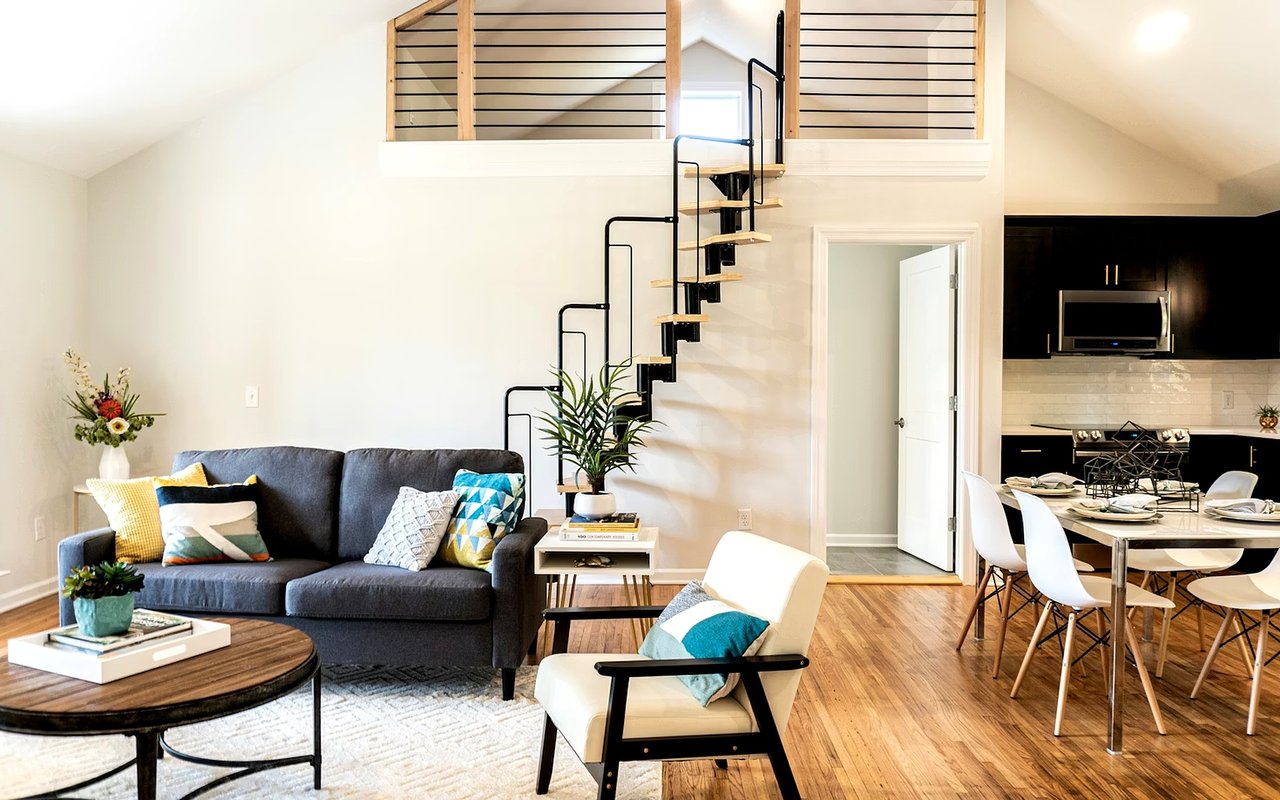
Pay attention to natural light beyond just whether a room has windows. Note which direction the light comes from, whether it creates glare or warmth, and how the rooms feel in the late afternoon when Santa Fe's golden hour light is at its most distinctive. These are the things you'll remember about a home long after you've forgotten the square footage.
In Santa Fe, interior detailing carries value and a lot of variation. Nichos (built-in display niches), hand-painted tile work, wood ceiling treatments, and custom metalwork are the kinds of details that distinguish a property that was built with craft from one that was built to a price point. At the same time, cosmetic renovation can mask deferred maintenance underneath, so it's worth looking past surface finishes to the bones of what's actually there.
Pay attention to natural light beyond just whether a room has windows. Note which direction the light comes from, whether it creates glare or warmth, and how the rooms feel in the late afternoon when Santa Fe's golden hour light is at its most distinctive. These are the things you'll remember about a home long after you've forgotten the square footage.
What To Evaluate in Interior Details
-
Natural light quality and direction in the primary living spaces and bedrooms.
-
Condition of plaster walls, tile work, and wood elements, looking specifically for any signs of prior water damage or hastily executed repairs.
-
Ceiling height, viga spacing, and the presence of any original or high-quality millwork and built-ins.
-
Kitchen and bathroom functionality beyond aesthetics, including storage volume, counter space, and whether appliance placement actually works.
-
Closet and storage space, which can vary in older homes compared to newer construction.
FAQs
How Important Are Views When Searching for Homes in Santa Fe?
Views are a significant part of what makes properties here distinctive, and they're priced accordingly. Mountain views are among the most sought-after features in the market. However, view corridors can be affected by neighboring construction, tree growth, and the orientation of the lot, so it's worth understanding what protections, if any, exist for a given view.
What Should I Know About Adobe Homes Before I Buy One in Santa Fe?
Adobe construction has real advantages, including thermal mass, a distinctive aesthetic, and a deep connection to the region's building traditions. It also requires informed maintenance. Flat roofs, parapet walls, and exterior stucco all need regular attention to prevent water intrusion. A detailed inspection is worth the investment, and understanding the difference between true adobe, rammed earth, and stucco-over-frame construction will help you ask the right questions.
How Do I Evaluate an Older Adobe Home vs. a Newer Construction Property?
Older adobe homes often offer more character, stronger thermal performance from thicker walls, and details like original tile work and handcrafted millwork that are difficult to replicate. They also tend to require more ongoing maintenance and may have systems that need updating. Newer construction offers more predictable mechanical systems, better insulation standards in many cases, and floor plans that reflect contemporary living preferences. Neither is categorically better; the right choice depends on your desire for maintenance, your design priorities, and what each specific property offers.
What You See on the Listing Is Just the Starting Point
Square footage gives you a frame. What you actually find inside that frame, from the quality of the light to the way the courtyard opens toward the mountains, is what makes a Santa Fe home worth buying. The checklist above gives you a way to move through properties with intention, asking the questions that most buyers don't think to ask until they're already past the inspection period.
Santa Fe's real estate market rewards buyers who come prepared. When you're ready to start your home search in Santa Fe, I'm here to guide you through every property with exactly this kind of attention to detail. Reach out to me, Paige Cochran, and let's find a home that's right for how you actually want to live here.
Santa Fe's real estate market rewards buyers who come prepared. When you're ready to start your home search in Santa Fe, I'm here to guide you through every property with exactly this kind of attention to detail. Reach out to me, Paige Cochran, and let's find a home that's right for how you actually want to live here.