If you are looking for a part of Santa Fe that supports real life as much as long-term potential, Southside and Midtown deserve a close look. These areas are practical, active, and evolving, which makes them especially relevant if you want convenience today and opportunity over time. Whether you are buying a home, comparing neighborhoods, or thinking about future resale value, understanding how these corridors function can help you make a smarter move. Let’s dive in.
Why Southside and Midtown Matter
Southside and Midtown are better understood as broad corridors than sharply defined neighborhoods. Midtown is described by the City of Santa Fe as the city’s geographic center and a mixed-use residential and commercial corridor. On the Southside, the Airport Road corridor is recognized as one of Santa Fe’s fastest-growing commercial and residential areas.
That distinction matters when you start your home search. These areas are shaped less by neat boundary lines and more by how you move through them, where you run errands, and what daily routines feel easiest. For many buyers, that makes them highly practical places to consider.
Everyday Living in Midtown
Midtown’s identity is tied to mixed-use living and civic activity. The city describes it as a place for housing, jobs, theaters, studios, parks, and gathering spaces. If you want a part of Santa Fe with a blend of residential life and public activity, Midtown stands out.
Current Midtown destinations include Central Plaza, the Santa Fe Art Institute, Greer Garson Theater, Arroyo Park, Fogelson Library, and Aspect Media Village. Central Plaza is being positioned as a community gathering space with food trucks, vendors, concerts, and events. Aspect Media Village is described as a mix of creative offices, residences, cafés, and outdoor gathering spaces.
For buyers, that creates a different feel from a purely residential area. You may find Midtown appealing if you like being near community spaces, arts-oriented uses, and a district with ongoing redevelopment energy. It can feel connected to Santa Fe’s creative and civic life in a very direct way.
Everyday Living on the Southside
Southside is more corridor-driven and centered on everyday convenience. Airport Road plays a major role here, serving neighborhood retail and locally owned businesses while supporting a growing residential base. If your priority is access to daily services and routine errands, Southside offers a strong practical case.
Public amenities also shape daily life in this part of Santa Fe. The Genoveva Chavez Community Center on Rodeo Road offers pools, an ice arena, gym and fitness space, skating, curling, and youth programming. The Southside Branch Library adds another useful community resource for residents nearby.
In simple terms, Southside tends to support the rhythms of day-to-day living very well. You are often looking at an area where shopping, public facilities, and roadway access play a central role in how the neighborhood works. That can be especially attractive if you want function first without giving up long-term upside.
Getting Around in These Areas
Santa Fe is still a car-first city, and that affects both Southside and Midtown. According to the city’s multimodal planning data, 78.2% of workers drive alone. That helps explain why road access, parking, and construction timing are important parts of the buying conversation here.
The city’s 2022 planning data also shows how auto-oriented some of these areas remain. In Midtown along St. Michael’s Drive, 72% of land use was streets and parking, while only 5% was sidewalks. In the Santa Fe Place area, 66% was streets.
That does not mean these districts lack promise. It means you should evaluate them with clear eyes. If you are buying in Southside or Midtown, it is wise to think about commute routes, traffic flow, parking setup, and how nearby road work could affect your routine.
Transit and Trail Access
Even in a car-oriented city, transit remains useful. Santa Fe Trails provides fixed-route, on-demand, and paratransit service every day from 7:00 a.m. to 8:00 p.m. Adult fare is $1 one-way, and the city has also introduced a Fare Free Sundays pilot running from June 7 through September 6, 2026.
The city’s broader transportation framework also calls for a Midtown Transit Hub and a Southside Transit Hub. That signals continued attention to connectivity in both areas. For buyers who want options beyond driving alone, that is worth watching.
Outdoor access is another part of the livability story. The city manages more than 170 miles of trails, including the 15-mile Santa Fe Rail Trail from the Railyard to Eldorado. Midtown’s Arroyo Park is planned as a green ribbon with walking and biking trails, and Southside planning includes the Arroyo de los Chamisos Crossing near Rodeo Road and the community center.
Housing Costs and Market Position
When you compare these areas, pricing tells an important story. Because neighborhood names and ZIP codes do not line up perfectly, available market data is best treated as a proxy. In this case, 87507 is the closest stand-in for Southside and 87505 for Midtown.
In 87507, Realtor.com reports a median listing price of $522,490 and a median sold price of $453,750. There were 250 homes for sale, 305 rentals, and a median of 60 days on market, which points to a balanced market.
In 87505, the Midtown proxy shows a median listing price of $717,500 and a median sold price of $579,653. There were 196 homes for sale, 135 rentals, and a median of 54 days on market, with the market leaning more buyer-friendly.
For broader context, 87501 posted a median listing price of $891,250 and a median sold price of $765,625, with 197 homes for sale and 70 rentals. Redfin also reported a median sale price of $939,721 in 87501 for the three months ending May 2026. That places 87501 as a premium benchmark compared with both Southside and Midtown proxies.
What the Numbers Suggest
Southside appears closest to citywide Santa Fe pricing on the sold side. Redfin reported a citywide median sale price of $524,686 over the three months ending May 2026, which puts Southside within a more approachable range than Midtown or central Santa Fe. If value and entry point are major priorities, that may make Southside especially compelling.
Midtown sits higher on pricing, but it also carries a different kind of appeal. Its redevelopment plans, mixed-use focus, and connection to creative industries and public gathering spaces may matter to buyers who are thinking beyond the current snapshot. That mix can make Midtown attractive for both lifestyle and long-term positioning.
For sellers, this comparison helps frame your home within the right competitive set. A well-prepared home in either area can benefit from buyers who are specifically searching for access, convenience, and future potential rather than only a traditional neighborhood layout.
Home Types to Expect
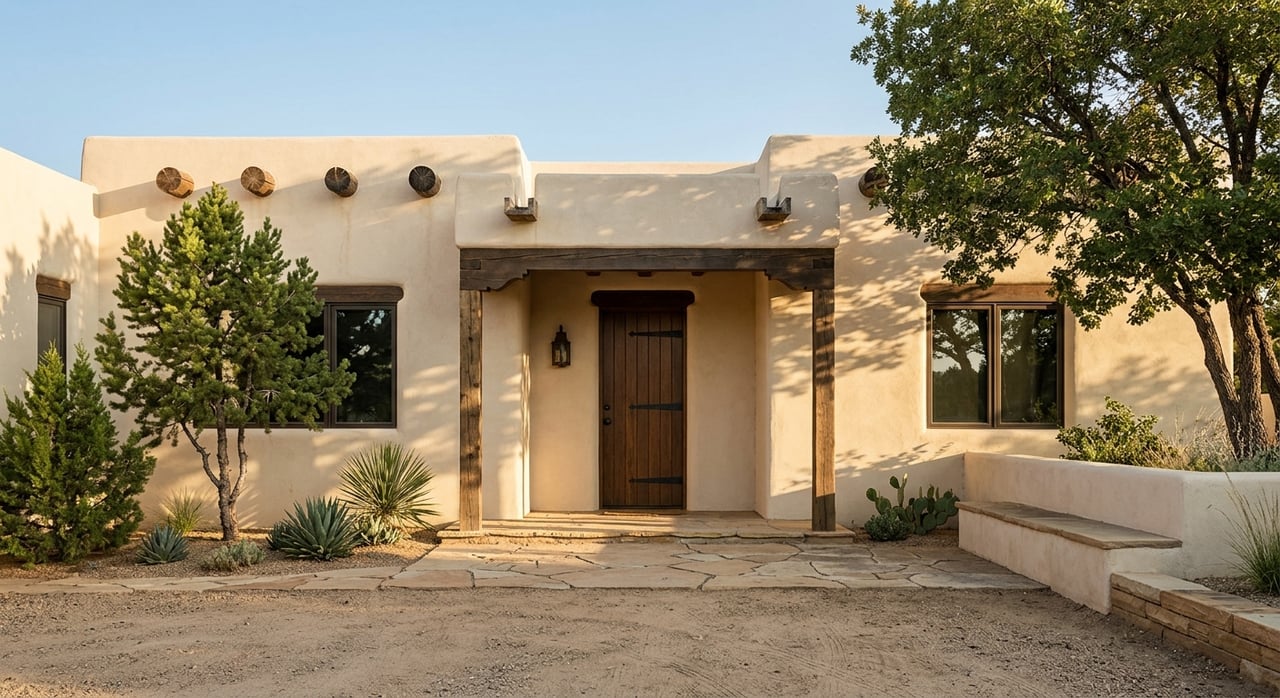
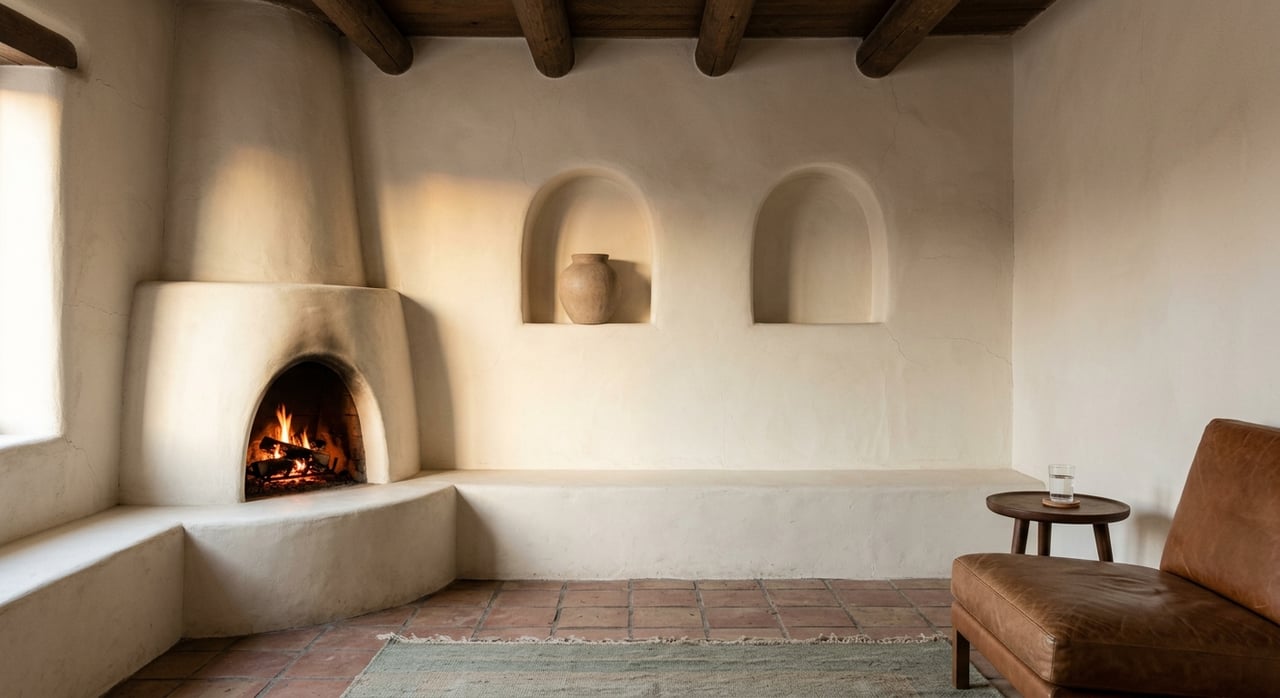
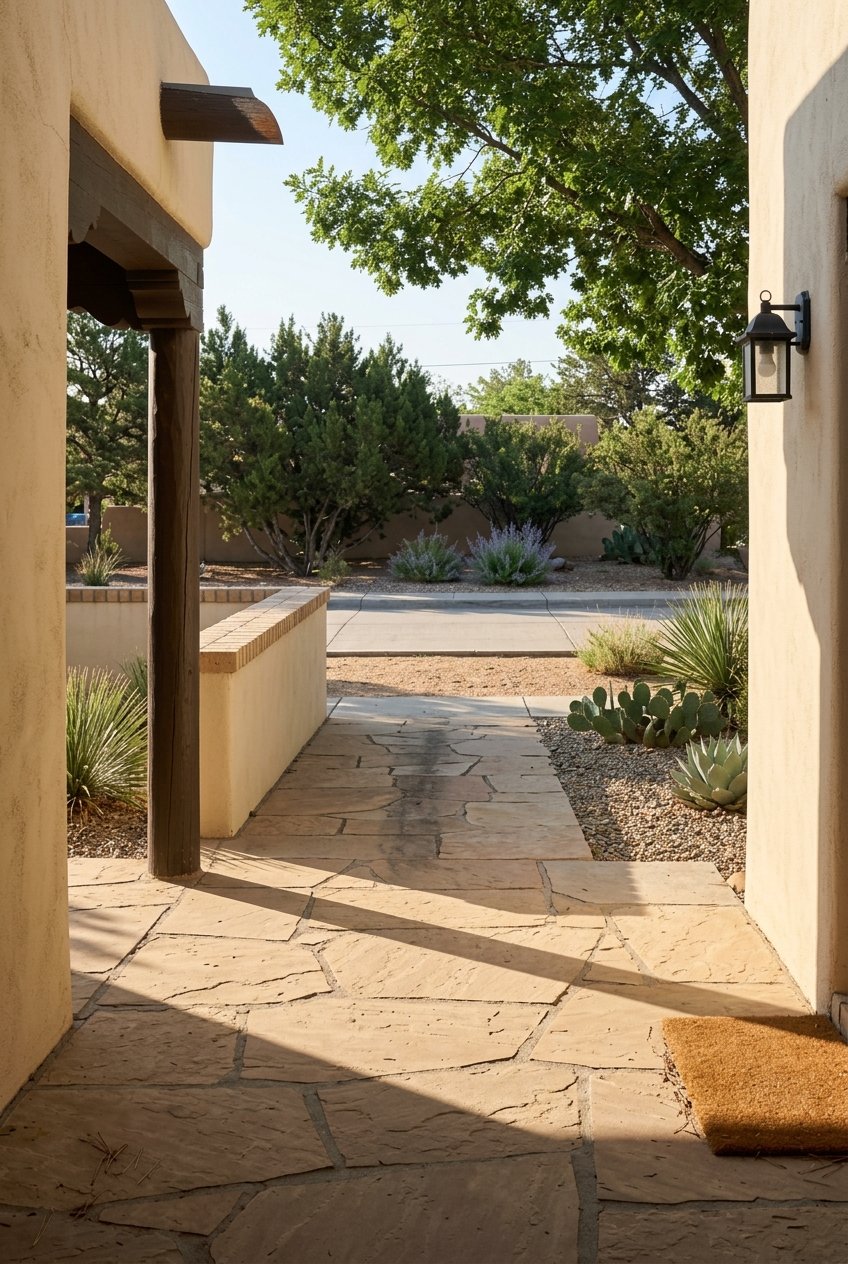
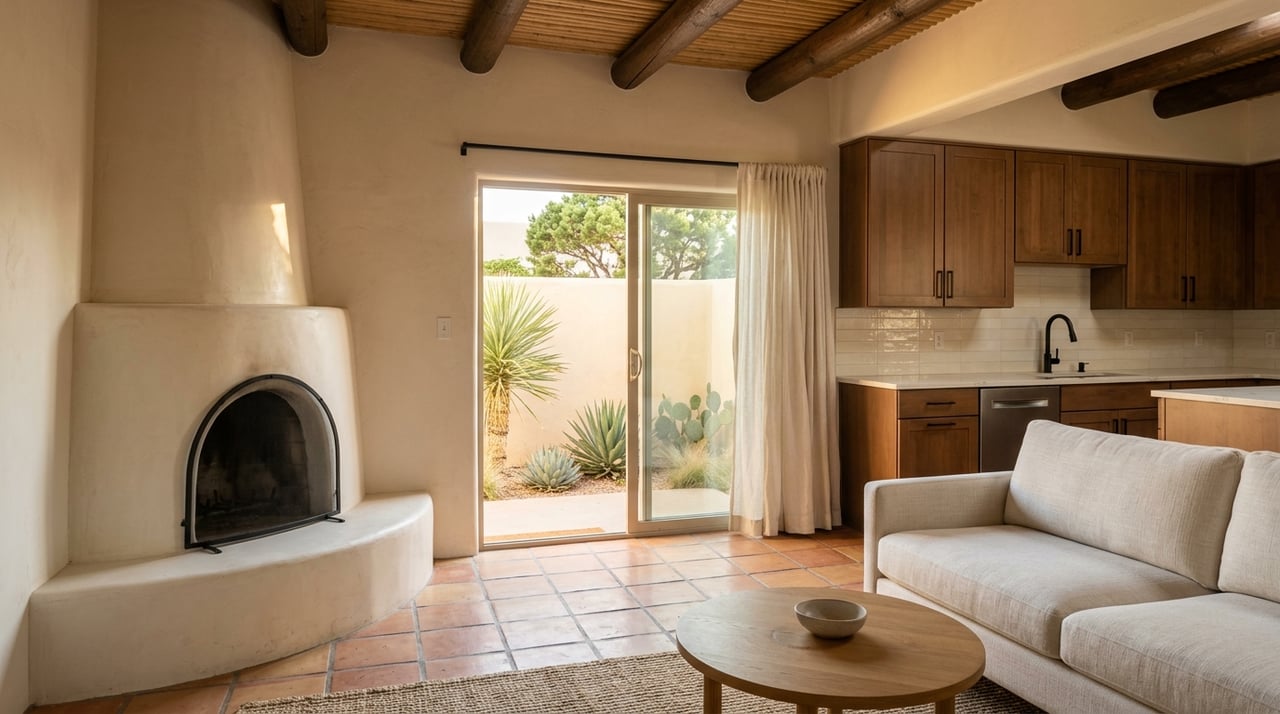
Santa Fe housing inventory can be more varied than buyers expect at first glance. In the broader central Santa Fe market, current listings include detached homes, condos, and townhomes in the same overall search pool. Some examples feature adobe construction, historically contributing adobe, kiva fireplaces, and tile flooring.
That variety is important in Southside and Midtown too. You may be comparing an updated condo, an attached townhome, or an older character property with very different maintenance needs and ownership structure. Price alone does not tell the whole story.
When you tour homes, pay close attention to:
- Parking arrangements
- HOA terms on attached properties
- Condition of finishes and systems
- Level of updating versus deferred maintenance
- How the property fits your daily routine
A home that looks like a value on paper may need a closer review once you factor in upkeep, layout, or shared-property rules. A thoughtful comparison can save you time and help you choose with more confidence.
Opportunity for Buyers and Investors
Southside and Midtown each offer a different kind of opportunity. Southside currently provides more approachable entry points and a deeper rental base, based on the available ZIP-level data. That can make it appealing if you want more options at lower price points relative to central Santa Fe.
Midtown offers a different story. The city has tied the district to mixed-use housing, arts, higher education, creative industries, and new public spaces. If you are drawn to areas with visible planning momentum and a changing built environment, Midtown may stand out.
Neither area is one-size-fits-all. Your best choice depends on whether you value everyday convenience, lower entry pricing, redevelopment potential, or a closer connection to civic and creative spaces. The good news is that both corridors offer real reasons to be on your shortlist.
Why Local Guidance Matters Here
Because Southside and Midtown are corridor-based rather than neatly boxed neighborhoods, buying or selling here benefits from local context. Block-by-block differences, road patterns, nearby amenities, and future planning can all shape value in ways that are not obvious from a listing photo. That is especially true in Santa Fe, where housing style, condition, and setting often matter as much as square footage.
If you are weighing these areas, it helps to work with an advisor who can connect market data to the lived experience of each location. That means looking beyond the headline price and understanding how access, amenities, and future district changes may affect your decision. In a market as layered as Santa Fe, that kind of guidance can make the process feel much clearer.
If you are thinking about buying or selling in Santa Fe, Paige Cochran offers thoughtful, high-touch guidance backed by deep local experience, strong negotiation, and a calm, informed approach.
FAQs
What is the difference between Southside and Midtown Santa Fe?
- Southside is more focused on neighborhood-serving retail, public facilities, and everyday convenience, while Midtown is more closely tied to mixed-use redevelopment, civic spaces, and arts-oriented amenities.
Are Southside and Midtown Santa Fe official neighborhoods?
- They are better understood as broad corridors than strict neighborhood boundaries, so buyers should look closely at the specific location and surrounding uses of each property.
Is Southside Santa Fe more affordable than Midtown?
- Based on the ZIP-code proxy data in the research, Southside appears to offer lower median listing and sold prices than Midtown.
Does Midtown Santa Fe have redevelopment potential?
- Yes, city planning for Midtown emphasizes mixed-use housing, public gathering spaces, arts, creative industries, and related district improvements.
Is Santa Fe easy to navigate without a car?
- Santa Fe remains largely car-oriented, but Santa Fe Trails transit service and the city’s trail network provide additional ways to get around.
What should buyers compare when touring Southside or Midtown homes?
- Buyers should compare parking, property condition, level of updating, HOA terms for attached homes, and how well the location supports daily routines.