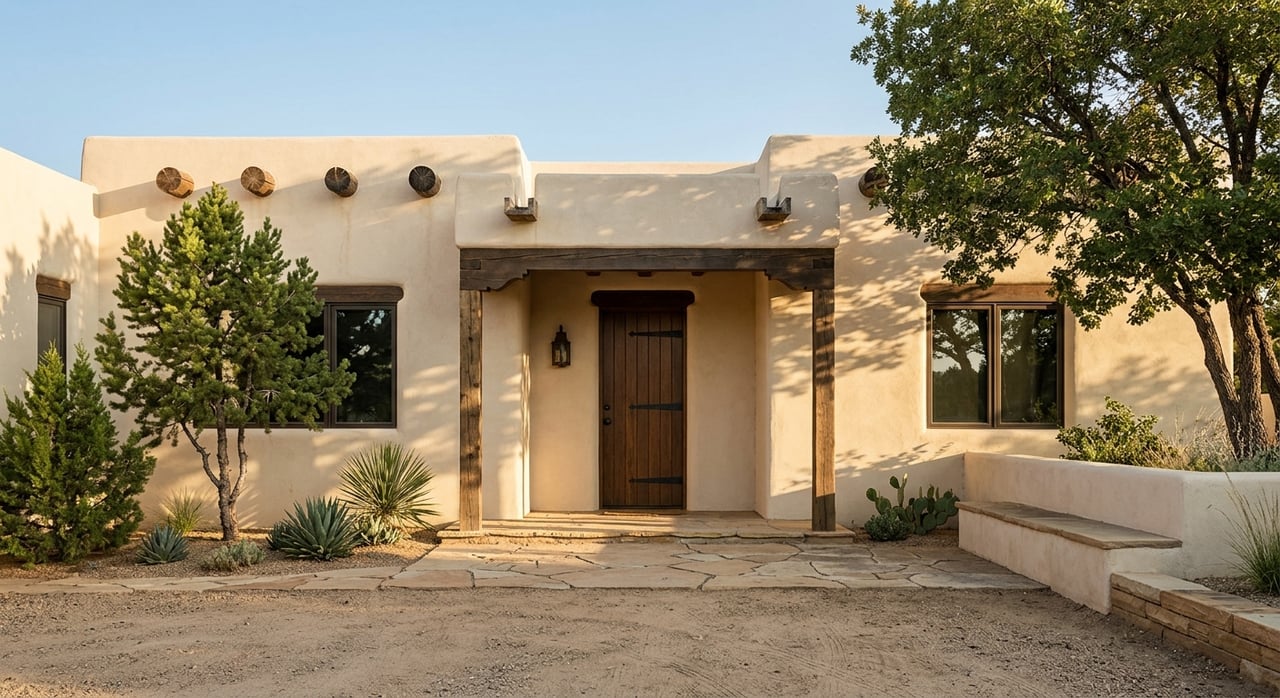
Dreaming of a quiet Santa Fe-area escape with more land, more privacy, and a stronger connection to the landscape? Tesuque often appeals to buyers for exactly those reasons, but it is not the right fit for everyone. If you are considering a home here, it helps to understand how the area lives day to day, what ownership can require, and how local rules shape the feel of the community. Let’s dive in.
What Makes Tesuque Different
Tesuque is not simply another suburb of Santa Fe. Santa Fe County treats it as a distinct community district with its own plan and overlay, and the county’s growth-management approach is designed to preserve existing communities, rural landscapes, water resources, agricultural land, scenic features, and open space while still allowing appropriate growth.
That matters because the area’s identity is tied to continuity and setting. County planning materials describe Tesuque as rooted in acequias and agriculture, with land uses that include small gardens, horse pasture, apple trees, and five active acequia associations. If you are looking for a retreat, that points to a place shaped more by land and tradition than by dense suburban development.
Tesuque Lifestyle Fit
A Tesuque retreat can be a strong match if you value privacy, views, architecture, and outdoor room. It can be a weaker match if your priority is a compact, low-maintenance neighborhood with a more conventional suburban feel.
Santa Fe County’s planning materials divide Tesuque into several land-use patterns, including rural residential areas with large lots in the foothills, residential fringe areas off the valley floor, residential estate areas above the valley floor, and traditional community areas with mixed lot sizes and housing types. Those distinctions can affect how a property feels and functions.
Rural Openness Matters Here
In the county’s Residential Community district, the Big and Little Tesuque Rivers are described as the green heart of the area. The county states that the land should remain rural and open to support pastures, orchards, and acequias.
For you as a buyer, that means openness is not accidental. It is part of the community’s planning framework, and it helps explain why Tesuque often feels more like a retreat landscape than a typical neighborhood.
Large Lots and Visual Privacy
Large lots, open space, and conservation-oriented land patterns are part of the local development character, especially in the Rural Residential and Residential Community areas. If you want breathing room and a stronger sense of separation from neighbors, this can be a major plus.
At the same time, that kind of setting usually brings more site-specific questions. You may need to think more carefully about access, terrain, maintenance, and utilities than you would in a newer subdivision.
Property Types and Character
Tesuque’s appeal is not only about square footage. The look and placement of a home matter here, and county materials show a clear design direction meant to preserve scenic views and keep development visually compatible with the land.
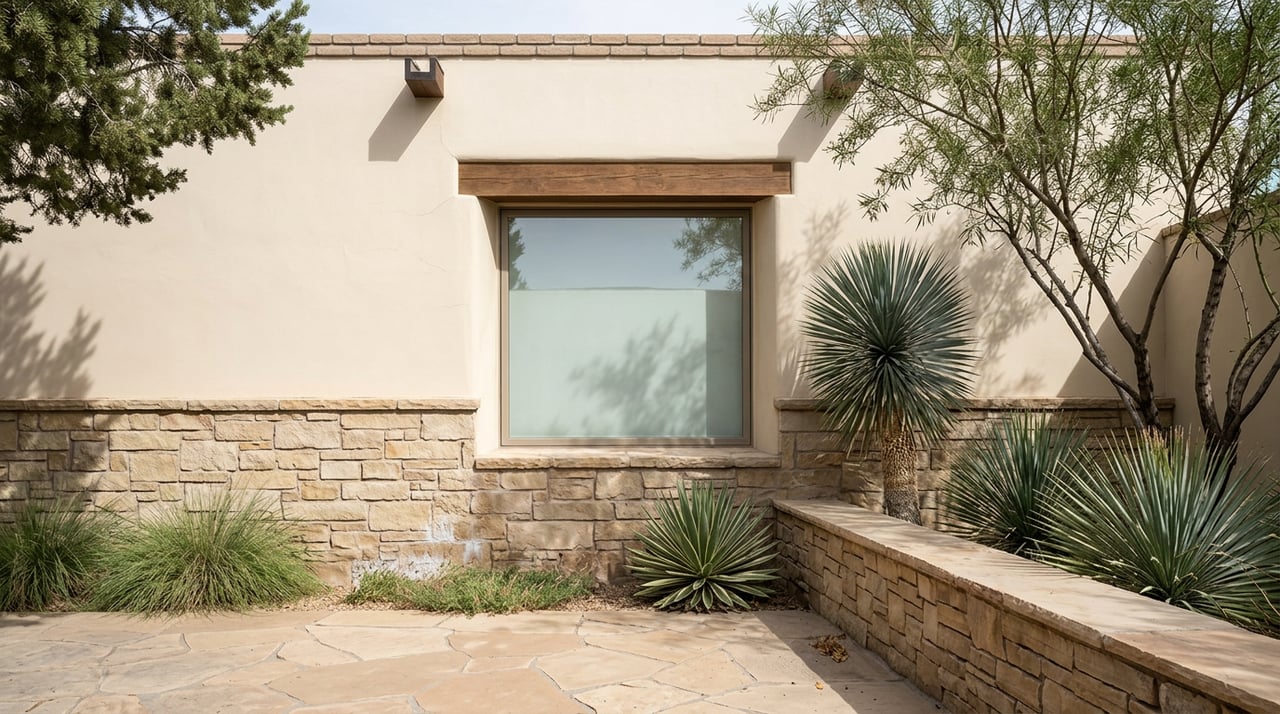
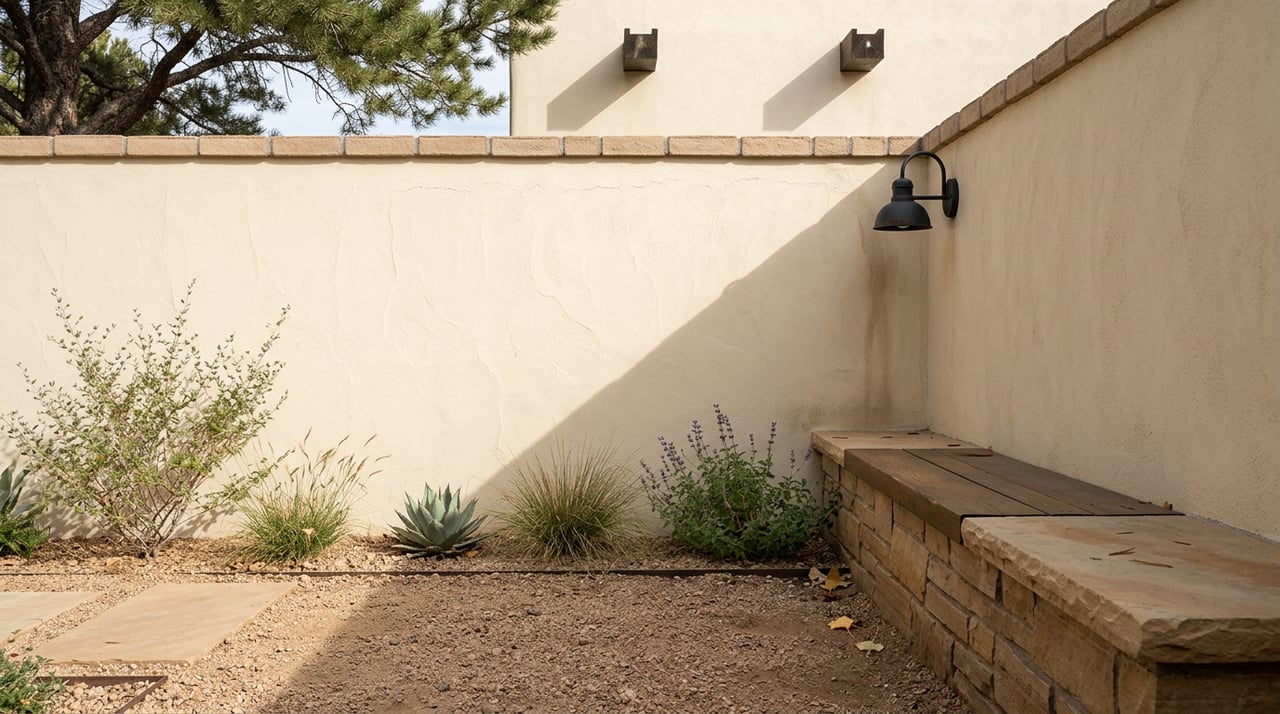
Older overlay language and current planning materials reference privacy-sensitive fence and wall standards, earth-tone colors, and muted, non-reflective finishes in visible areas and on steeper sites. The goal is to balance privacy with the open scenic character that defines Tesuque.
Why Design Compatibility Counts
In many markets, buyers focus mostly on layout, price, and finishes. In Tesuque, visual fit with the surrounding landscape often matters just as much.
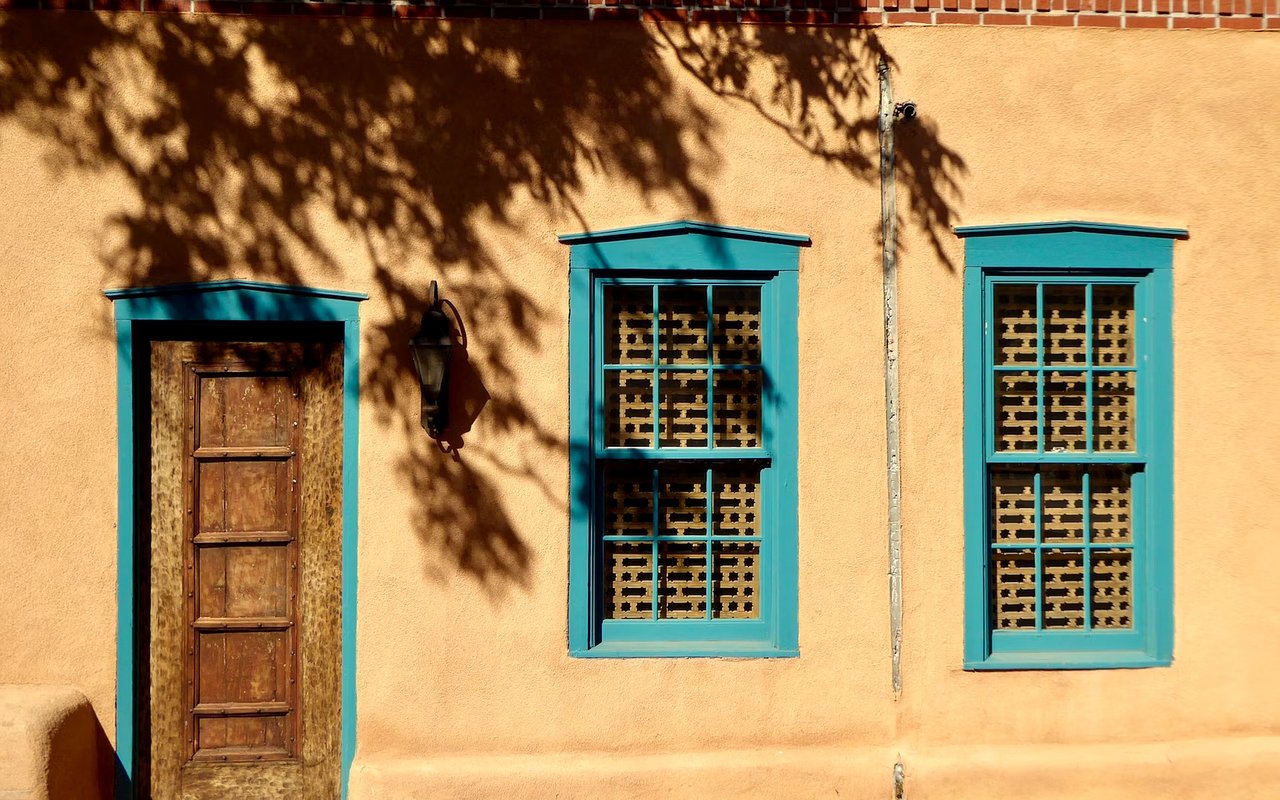
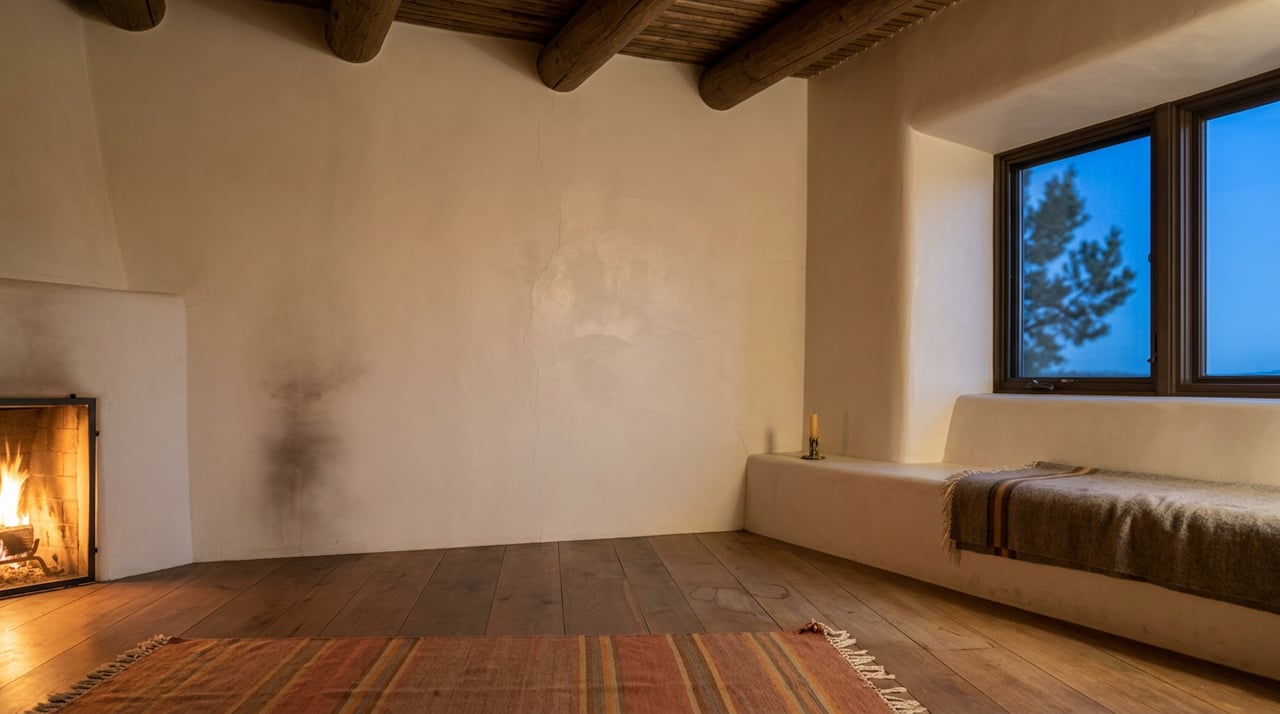
That is especially relevant in the broader Santa Fe region, where architecture carries a strong local identity. Official Santa Fe architecture materials describe regional influences such as adobe, flat roofs, vigas, and nichos, along with other historic and modern styles. In practice, buyers often weigh whether a home feels rooted in northern New Mexico as part of its long-term appeal.
Questions to Ask About the Parcel
Before you fall in love with a house, take a close look at the site itself. In Tesuque, the parcel can shape your experience as much as the home.
- Is the property on the valley floor, in the foothills, or in an estate area above the valley floor?
- Does it function like a rural residential property, a traditional village parcel, or a low-density estate site?
- Are there fencing, wall, façade, or landscape rules that affect the property?
- Does the site offer the privacy and openness you want without creating more maintenance than you expected?
Access and Commuting in Tesuque
In a retreat setting, the road to the property matters. Santa Fe County completed the Tesuque Roads Safety Study in January 2023, and county overlay language identifies Bishop’s Lodge Road and Tesuque Village Road as important scenic-corridor frontages.
The county’s planning materials also note that road design and construction in Tesuque require careful review because of steep slopes and soil types. Narrow roads and driveways that follow natural terrain are favored over heavy cut-and-fill approaches.
Test the Drive, Not Just the Map
If you plan to commute into Santa Fe, do not rely only on mileage. Test the route at the time of day you would actually travel, and pay attention to how the road feels in the weather conditions you expect to live with.
This is especially important on sloped sites or homes with longer driveways. Rain, snow, darkness, and drainage can all affect how convenient a property feels once you are living there.
Site Conditions Deserve Extra Attention
County planning materials also flag complex floodplain conditions in the Tesuque planning area. That makes drainage, grading, and driveway design important parts of your due diligence.
Here are a few practical questions to verify:
- Is the road public, private, or shared?
- Does the driveway work well in rain, snow, and at night?
- Is rural addressing in place for emergency response access?
- Are slope and drainage manageable for your comfort level?
Utilities and Ownership Responsibilities
If you are buying in Tesuque, it is smart to evaluate ownership systems early. Rural beauty often comes with a different level of responsibility than a home with fully urban utility service.
Water and wastewater are two of the biggest items. Santa Fe County states that developments using a well must participate in the Domestic Well Use Metering Program, and the county also notes that private wells are outside the New Mexico Environment Department’s drinking water bureau oversight, which leaves owners responsible for testing and maintenance.
Well and Water Questions
A private well is not necessarily a problem, but it is a system you need to understand. Ask for records related to testing, metering, and ongoing maintenance so you know what ownership may involve.
If the property uses another water source, make sure you understand that setup clearly as well. In a rural market, water information should be part of your decision early, not an afterthought.
Septic System Due Diligence
Santa Fe County says septic failures can pollute local surface and groundwater. The county recommends septic inspections every three years and pumping every three to five years, depending on the inspector’s advice.
For you, that means septic age, inspection history, and pumping history deserve careful review. A beautiful setting does not reduce the importance of practical infrastructure.
Wildfire and Long-Term Care
Wildfire preparedness is part of responsible ownership in much of Santa Fe County. The county says the majority of the county is within or close to the wildland-urban interface and that it currently uses the 2021 International Wildland-Urban Interface Code and fire code to reduce risk.
The county’s homeowner guidance encourages people in these areas to think of the property as a firewise property, not just a house on acreage. That mindset can be especially important if you are buying a retreat home with more land and vegetation.
Full-Time vs. Second-Home Use
If you will live in Tesuque full time, pay close attention to winter access, defensible space, emergency addressing, and the ongoing upkeep of well and septic systems. These are everyday ownership issues, not just inspection-day details.
If the home will be a second property, think through who will monitor the site when you are away. Sloped lots, vegetation management, weather exposure, and utility systems can all require regular oversight.
Thinking About Future Rental Use?
If short-term rental potential matters to you, verify the rules before you buy. Santa Fe County’s short-term rental FAQ says a pre-application appointment is required before an application can be submitted, and some districts require both a permit and a conditional use application.
That means rental feasibility should be confirmed before closing, not assumed based on the home’s location or style. If future flexibility is part of your financial plan, this step is essential.
Is Tesuque the Right Retreat for You?
Tesuque is often a great fit if you want a home that feels grounded in landscape, privacy, and northern New Mexico character. Buyers who care about views, architecture, open space, and a slower visual rhythm often find a lot to love here.
It may be less ideal if you want a very low-maintenance property, conventional suburban infrastructure, or a plug-and-play neighborhood experience. The same qualities that make Tesuque special can also require more intentional due diligence.
A smart purchase here is about more than finding a beautiful house. It is about making sure the land, access, systems, and local rules all support the way you actually want to live.
If you are weighing whether Tesuque is the right fit, working with a local advisor who understands Santa Fe-area property types, site conditions, and the nuances of place can make the process much calmer and more informed. Connect with Paige Cochran for thoughtful guidance as you explore Tesuque and the wider Santa Fe market.
FAQs
Is Tesuque a good fit for buyers who want privacy?
- Tesuque can be a strong fit if you want privacy, large lots, open space, and a setting shaped by rural land-use patterns rather than compact suburban development.
What should buyers check about a Tesuque property’s site conditions?
- You should review slope, drainage, driveway design, floodplain context, road type, emergency addressing, and how the property functions in rain, snow, and darkness.
What utility issues matter most when buying a home in Tesuque?
- Water supply and wastewater are key due-diligence items, especially if the property uses a private well or septic system that requires ongoing testing, maintenance, inspection, and pumping.
Can you use a Tesuque home as a short-term rental?
- You need to verify short-term rental feasibility with Santa Fe County before buying because some districts require a pre-application appointment, a permit, and possibly a conditional use application.
How does Tesuque differ from a typical Santa Fe suburb?
- Tesuque is planned as a distinct community focused on preserving scenic features, water resources, open space, agricultural land, and rural character, so it generally feels more like a retreat landscape than a standard suburb.