By Paige Cochran
When selling a home in Santa Fe, the architecture here tells a story; the adobe walls, vigas, and kiva fireplaces carry a sense of place that buyers come specifically to find. But even the most architecturally compelling property can sit on the market longer than it should if it is not presented thoughtfully.
That is where home staging makes the difference — not as a cosmetic fix but as a strategic tool that shapes how buyers experience and remember your property.
Santa Fe buyers are often emotionally driven. Many are relocating from larger metros, drawn by the landscape, the art scene, and a lifestyle that feels intentional and grounded. When they walk through a carefully staged home, they are not just evaluating square footage; they are imagining a version of their future lives. Home staging gives them something to latch onto — a vision that feels both aspirational and livable.
The goal is to highlight what makes the property special, minimize anything that distracts, and help buyers walk away with a clear emotional impression. Here is how to stage your home successfully.
Key Takeaways
-
Staging a home in Santa Fe means working with the architecture rather than against it, emphasizing character features like exposed beams, plaster walls, and traditional fireplaces.
-
Decluttering and depersonalizing are essential first steps, even in a home with strong design bones.
-
Lighting, textiles, and curated accessories can dramatically shift how a room feels without a significant investment.
-
Outdoor spaces are especially important in Santa Fe, where the landscape and climate are major selling points.
-
Professional staging can meaningfully reduce days on market and strengthen your negotiating position.
Start with the Architecture, Not the Furniture
Santa Fe homes have a unique design vocabulary, and buyers pay a premium for it. Before you think about furniture placement or color schemes, take stock of the architectural features that deserve to be the focal point of every room.
Kiva fireplaces should be cleared of clutter and staged simply, perhaps with a few carefully chosen ceramic pieces or a woven blanket draped nearby. Exposed vigas on the ceiling draw the eye upward and add warmth; do not compete with them by hanging anything that fights for attention. Plaster walls in earthy tones set a tone that no painted drywall can replicate, so resist the urge to cover them with artwork in every room.
The goal is to let the architecture breathe. Buyers who are drawn to Santa Fe are often already in love with this style, and your job is to confirm their instincts rather than override them with something that feels generic. Staging that respects the bones of the home will nearly always outperform staging that tries to modernize or neutralize what makes it unique.
Kiva fireplaces should be cleared of clutter and staged simply, perhaps with a few carefully chosen ceramic pieces or a woven blanket draped nearby. Exposed vigas on the ceiling draw the eye upward and add warmth; do not compete with them by hanging anything that fights for attention. Plaster walls in earthy tones set a tone that no painted drywall can replicate, so resist the urge to cover them with artwork in every room.
The goal is to let the architecture breathe. Buyers who are drawn to Santa Fe are often already in love with this style, and your job is to confirm their instincts rather than override them with something that feels generic. Staging that respects the bones of the home will nearly always outperform staging that tries to modernize or neutralize what makes it unique.
Features Worth Spotlighting
-
Exposed wooden beams and vigas, which should be highlighted with warm, directional lighting where possible.
-
Kiva fireplaces staged with minimal, on-brand accessories that feel Southwest-influenced without being kitschy.
-
Original tile work in kitchens and bathrooms, which should be cleaned and left visible rather than covered or obscured.
-
Arched doorways and thick adobe walls that give rooms their characteristic depth and shadow.
-
Saltillo tile floors, which photograph best when clean and lightly buffed to a natural sheen.
Declutter With Intention
Even beautifully designed homes accumulate too much over time. Sellers often stop seeing what buyers will immediately notice: countertops crowded with small appliances, shelves lined with personal collections, and closets packed to the edge. Before any staging decisions are made, a thorough and honest decluttering process is essential.
In Santa Fe, where many homeowners are artists, collectors, or deeply engaged with design, this step can be particularly challenging. The home may be full of meaningful objects that have been thoughtfully acquired over the years. But for the purposes of selling, less is more. Buyers need space to mentally move in, but that becomes difficult when every surface is occupied.
The standard advice is to remove at least a third of what is in every room. In reality, many sellers find that removing half gets them closer to what professional stagers would achieve. Personal photographs and anything that feels distracting or unnecessary should be stored off-site. What remains should feel curated, warm, and relatively neutral in terms of personal expression while still honoring the character of the home.
In Santa Fe, where many homeowners are artists, collectors, or deeply engaged with design, this step can be particularly challenging. The home may be full of meaningful objects that have been thoughtfully acquired over the years. But for the purposes of selling, less is more. Buyers need space to mentally move in, but that becomes difficult when every surface is occupied.
The standard advice is to remove at least a third of what is in every room. In reality, many sellers find that removing half gets them closer to what professional stagers would achieve. Personal photographs and anything that feels distracting or unnecessary should be stored off-site. What remains should feel curated, warm, and relatively neutral in terms of personal expression while still honoring the character of the home.
What To Remove Before Showings
-
Personal photographs, diplomas, and items that identify the people who live there.
-
Excess furniture that makes rooms feel smaller than they are or interrupts traffic flow.
-
Collections of any kind, including pottery, books, artwork stacked against walls, and decorative objects that crowd surfaces.
-
Items from closets and storage areas that make built-ins look at capacity.
-
Anything worn, dated, or in need of repair that will invite buyers to mentally discount the home's value.
Lighting Is the Most Underrated Staging Tool
Santa Fe's natural light is extraordinary, and most homes here are designed to capture it. Staging should maximize every opportunity to let that light in while also ensuring that rooms feel warm and inviting when natural light is limited. Buyers touring at dusk or during overcast winter days should still walk into a space that glows.
Begin by washing the windows thoroughly, which is often overlooked but makes a significant difference in how much light filters through. Pull back any heavy drapes or curtains during showings and replace them with lighter options if the existing window treatments are blocking light unnecessarily. In rooms that do not receive much natural light, layer in floor lamps and table lamps to create warmth at eye level.
The color temperature of your bulbs matters more than most sellers realize. Warm white bulbs will complement the earthy tones of a Santa Fe interior far better than cool or daylight bulbs, which can make adobe and plaster walls appear flat and gray. This is a low-cost adjustment that pays off in how rooms photograph and how they feel in person.
Begin by washing the windows thoroughly, which is often overlooked but makes a significant difference in how much light filters through. Pull back any heavy drapes or curtains during showings and replace them with lighter options if the existing window treatments are blocking light unnecessarily. In rooms that do not receive much natural light, layer in floor lamps and table lamps to create warmth at eye level.
The color temperature of your bulbs matters more than most sellers realize. Warm white bulbs will complement the earthy tones of a Santa Fe interior far better than cool or daylight bulbs, which can make adobe and plaster walls appear flat and gray. This is a low-cost adjustment that pays off in how rooms photograph and how they feel in person.
Lighting Adjustments That Make a Difference
-
Replacing cool or harsh overhead bulbs with warm white alternatives throughout the home.
-
Adding floor lamps or table lamps in rooms that rely entirely on overhead fixtures.
-
Using directional lighting to draw attention to architectural features like beams, fireplaces, or built-in shelving.
-
Ensuring that all exterior lights are functional for evening showings, especially on pathways and at the entry.
-
Keeping all lights on during daytime showings for a consistently warm and welcoming impression.
Do Not Overlook Outdoor and Transition Spaces
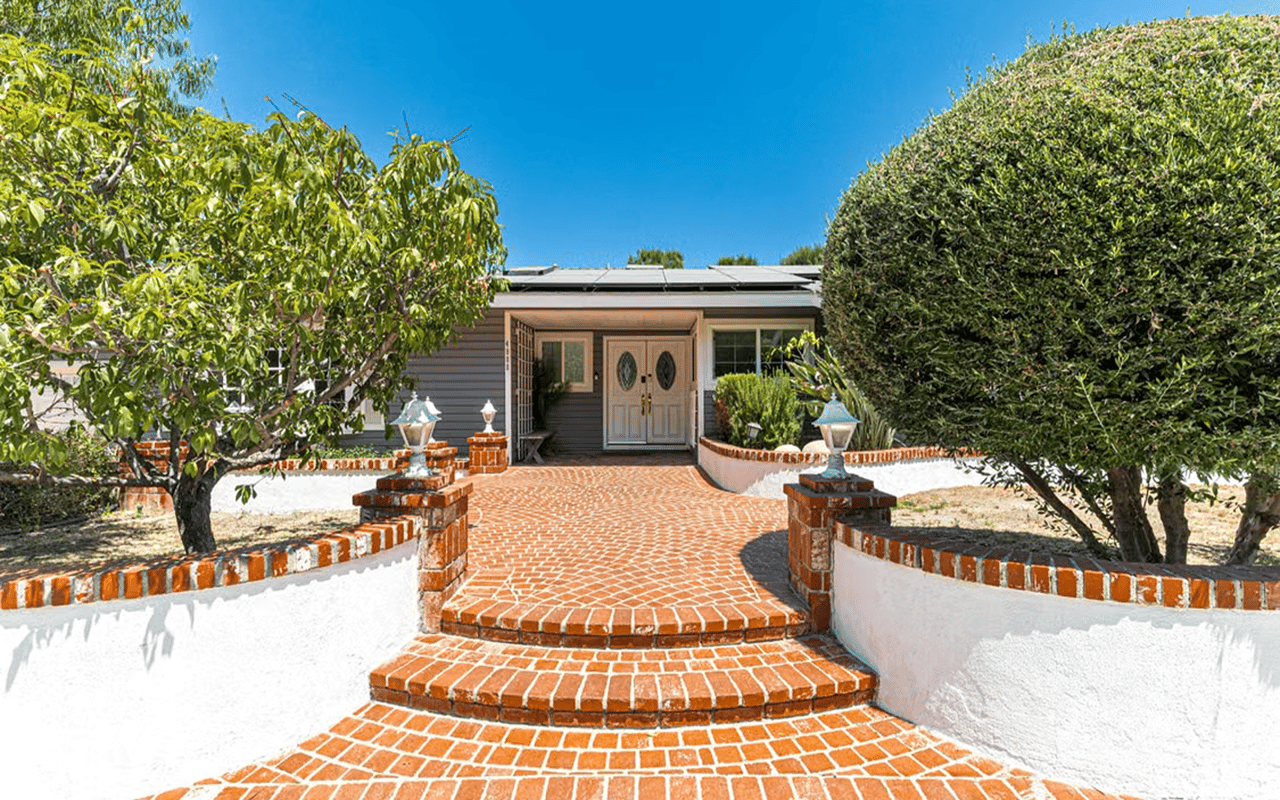
In Santa Fe, the outdoor living experience is a major part of the home's appeal. Buyers are often purchasing a relationship with the landscape as much as with the structure itself. Portals, courtyards, walled gardens, and mountain-view terraces deserve the same staging attention as the interior rooms.
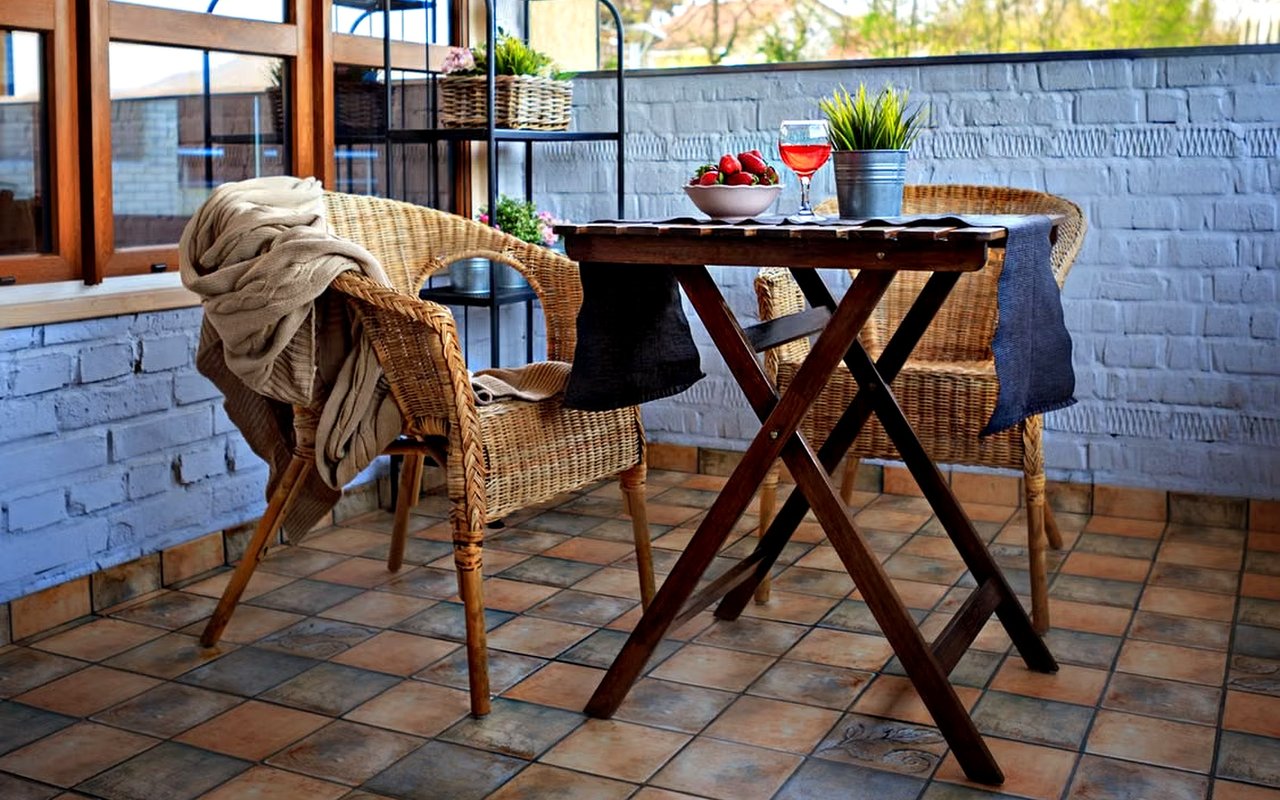
Clear outdoor furniture of weathering and wear, or replace it with clean, simple pieces that invite buyers to imagine themselves sitting there with a cup of coffee as they marvel at the Sangre de Cristos. If the property has a courtyard, stage it with a few potted plants or a small water feature to give it a sense of intention. Even a modest outdoor space can feel remarkable when it is thoughtfully arranged.
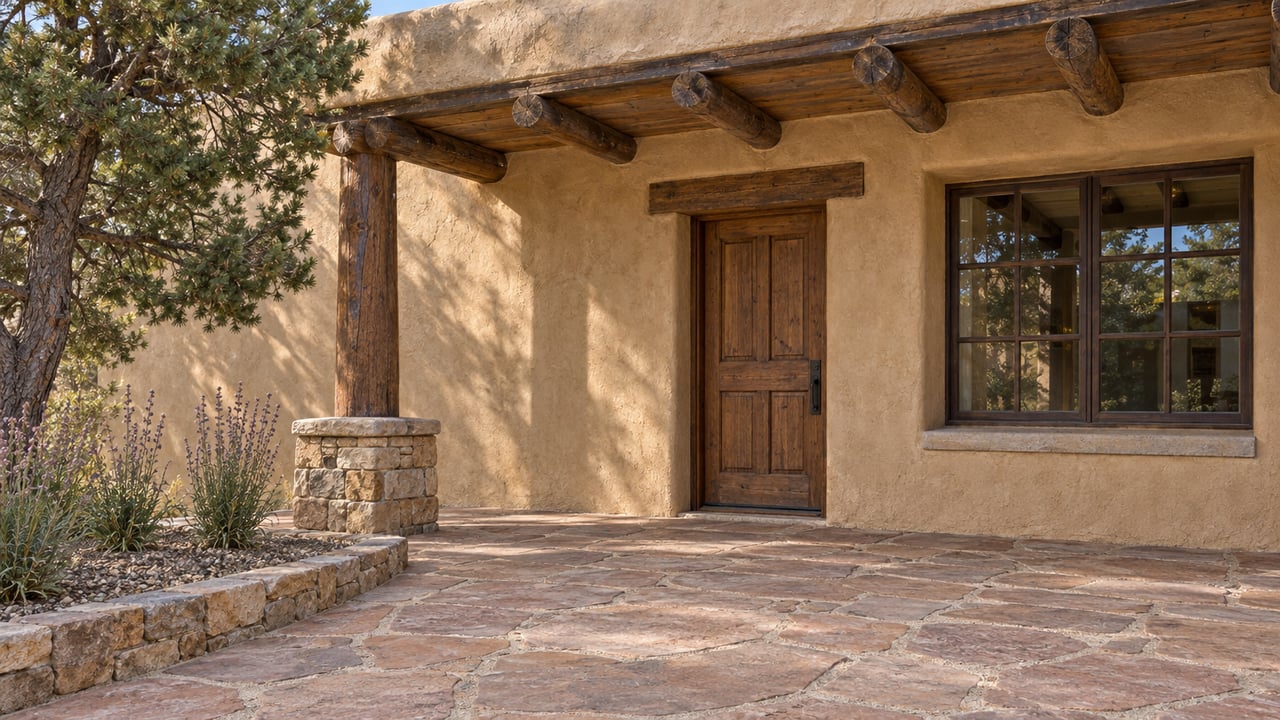
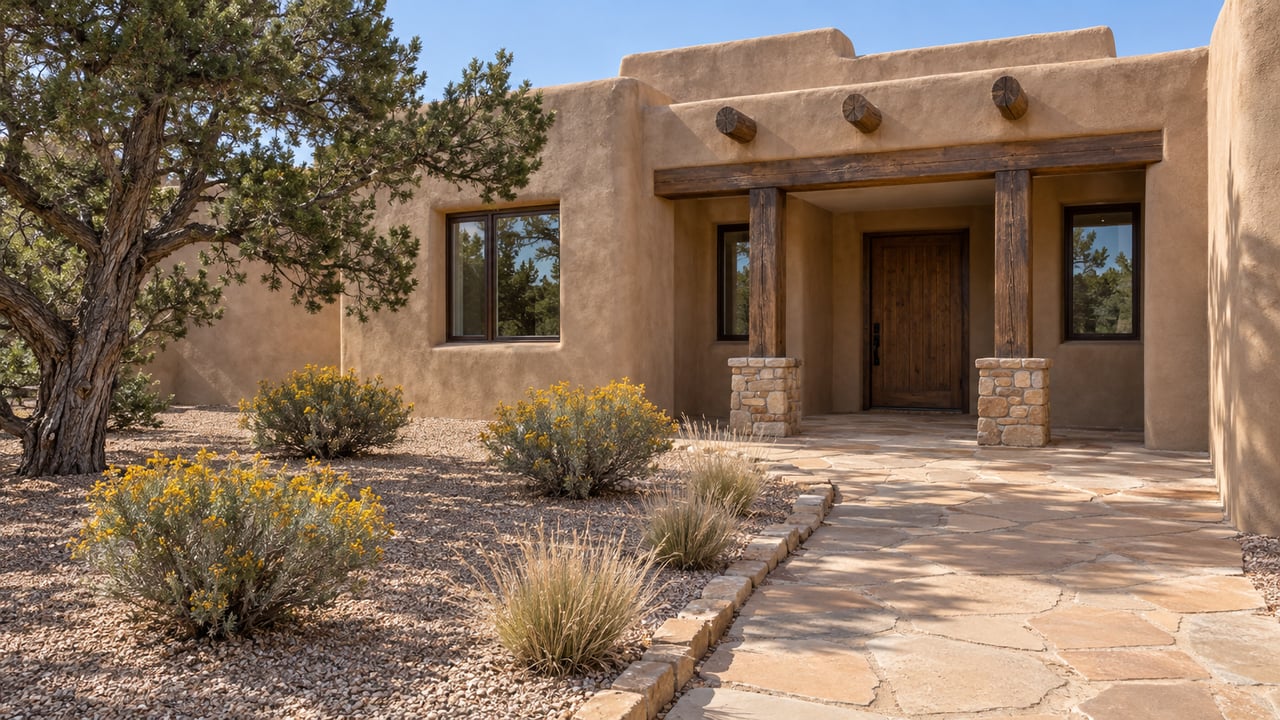
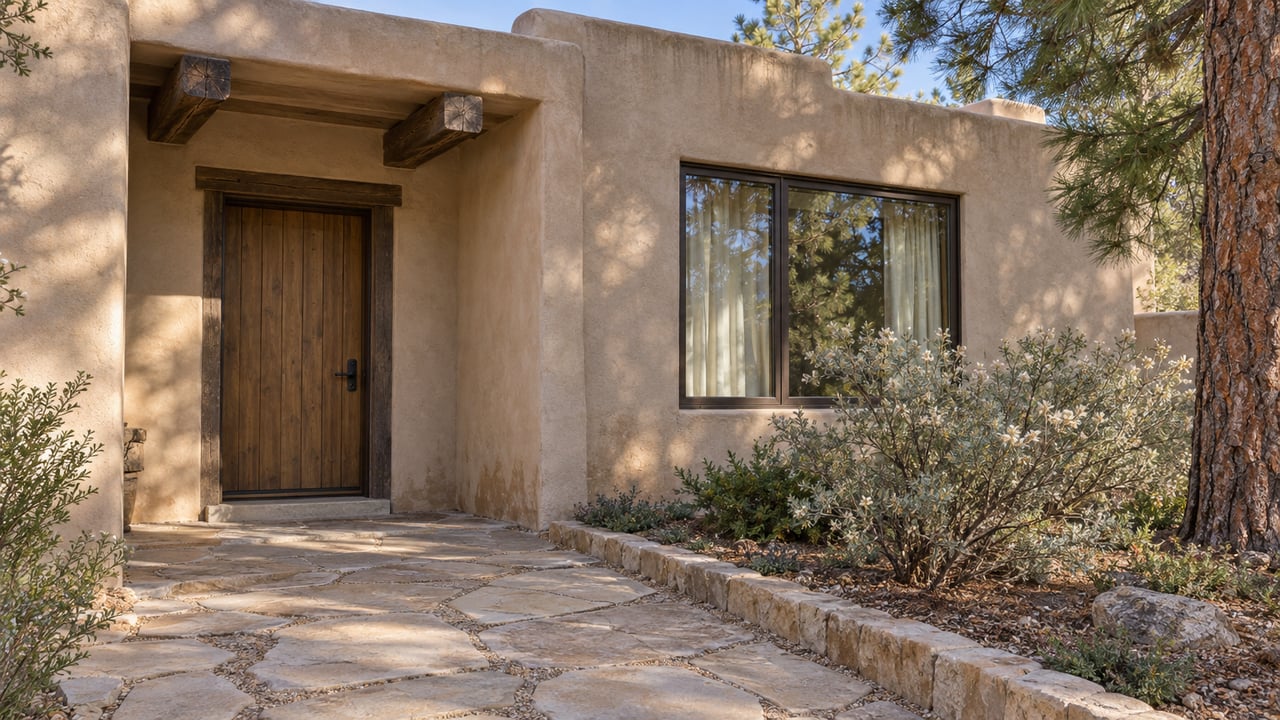
The transition zones between inside and outside are equally important. Entry portals, mudrooms, and covered patios are often where buyers form their first impressions. These spaces should be uncluttered, well-lit, and styled in a way that sets the tone for the rest of the experience. A beautiful, welcoming entry signals to buyers that the whole home has been cared for.
Clear outdoor furniture of weathering and wear, or replace it with clean, simple pieces that invite buyers to imagine themselves sitting there with a cup of coffee as they marvel at the Sangre de Cristos. If the property has a courtyard, stage it with a few potted plants or a small water feature to give it a sense of intention. Even a modest outdoor space can feel remarkable when it is thoughtfully arranged.
The transition zones between inside and outside are equally important. Entry portals, mudrooms, and covered patios are often where buyers form their first impressions. These spaces should be uncluttered, well-lit, and styled in a way that sets the tone for the rest of the experience. A beautiful, welcoming entry signals to buyers that the whole home has been cared for.
Outdoor Staging Priorities
-
Cleaning and staging the portal or covered patio with weather-appropriate furniture arranged for conversation or dining.
-
Refreshing any landscaping at the entryway, including sweeping, adding gravel, and trimming any overgrown plantings.
-
Adding potted flowering plants to the entry or courtyard for color and life, particularly in spring and summer.
-
Power-washing or hand-washing exterior walls and walkways that have accumulated dust or grime.
FAQs
What Rooms Are Most Important To Stage?
The living room, primary bedroom, and kitchen consistently have the most influence on buyer decisions and should receive the most staging attention. In Santa Fe, outdoor spaces like portals and courtyards also carry significant weight and should not be treated as secondary. Entry areas set the tone for the entire showing experience and are worth prioritizing even if they are modest in size.
Do I Need To Stage If My Home Is Already Well-Decorated?
Staging and decorating are related but different disciplines. A beautifully decorated home reflects the personality of the people who live there; a staged home is designed to appeal broadly to buyers who do not yet know the space. Even homes with strong design sensibilities typically benefit from decluttering, depersonalizing, and making small adjustments to furniture arrangement and lighting before listing.
How Long Before Listing Should I Start the Staging Process?
Giving yourself four to six weeks before your listing date is a reasonable target. This allows time for any repairs or touch-ups, a thorough decluttering, and coordination with a professional stager if you plan to hire one. Rushing the process tends to result in corners being cut, and the difference is visible in listing photos.
Make Your Home Impossible To Forget
Staging a Santa Fe home means giving buyers something they cannot easily forget: the feeling that this is right where they are supposed to be. The effort you put into presenting your home thoughtfully will show in your listing photos, in the way buyers respond during showings, and, ultimately, in the offers you receive.
If you are preparing to list your Santa Fe home for sale and want guidance on how to present it in the best possible light, I am here to help you think through every step of the process. From staging recommendations to pricing strategy, reach out to me, Paige Cochran, and we can get started.
If you are preparing to list your Santa Fe home for sale and want guidance on how to present it in the best possible light, I am here to help you think through every step of the process. From staging recommendations to pricing strategy, reach out to me, Paige Cochran, and we can get started.