How much of what's on view at the Museum of International Folk Art right now will still be there by Thanksgiving? Walk the Camino Lejo loop this week and you'd be forgiven for assuming the answer is all of it. The four museums look permanent, the sculpture garden looks permanent, the whole Hill has the settled feel of a place that doesn't change with the seasons. One exhibit currently on view says otherwise, and its deadline is the reason this particular fall on Museum Hill looks different from every other fall before it.
The Show That Won't Come Back
The Gallery of Conscience at the Museum of International Folk Art is running a community-curated exhibition on figurative pottery from Acoma Pueblo, on view since June 7 and closing November 30. The show traces ancestral Puebloan precursors to figuration in clay and follows how tourism and the market for Pueblo pottery at the turn of the twentieth century shaped what came after. That alone would make it worth the drive. What makes it worth the drive before Thanksgiving is what it's attached to.
The exhibition is the museum's contribution to Handwork: Celebrating American Craft 2026, a national Craft in America initiative built around the 250th anniversary of the founding of the United States. It's telling some of the undertold stories of American craft, Indigenous art included, and pushing for a wider understanding of what handmade work in this country has actually looked like. That framing only exists in 2026. There's no version of this show scheduled to return next year or the year after, because the anniversary it's answering to only happens once. When the exhibition closes on November 30, it closes for good, not for a season.
One Plaza, Five Institutions
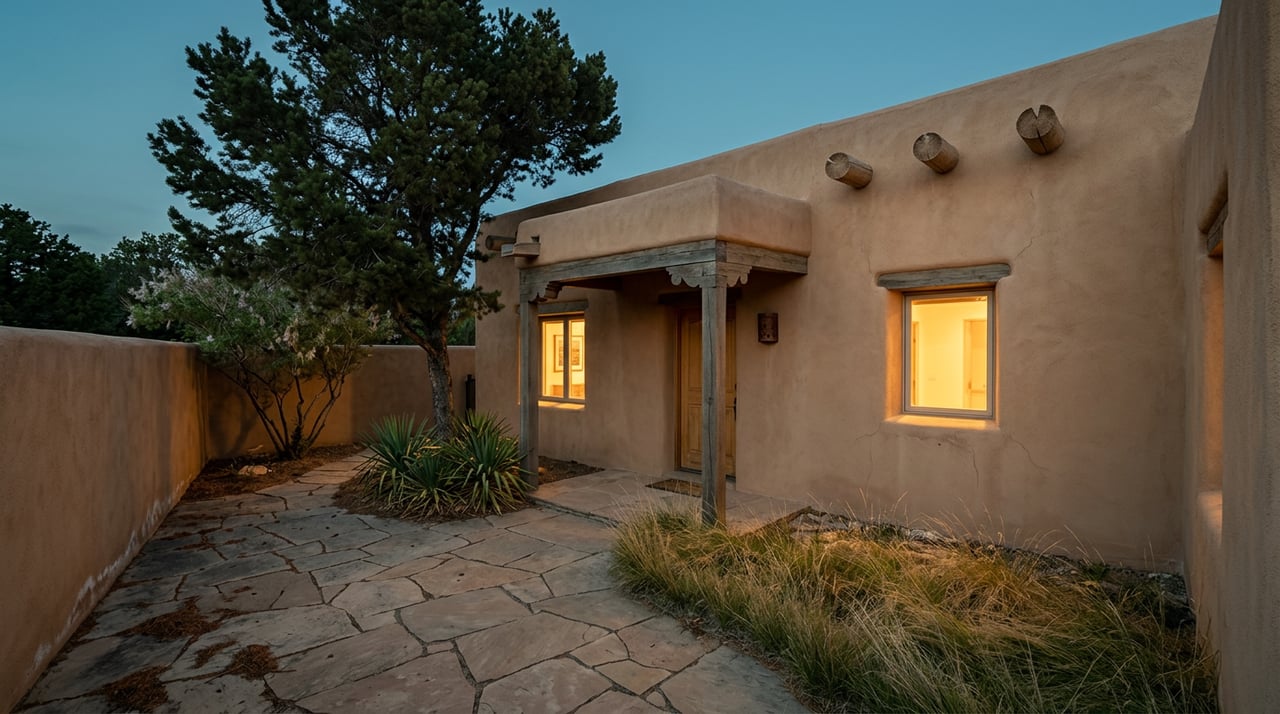
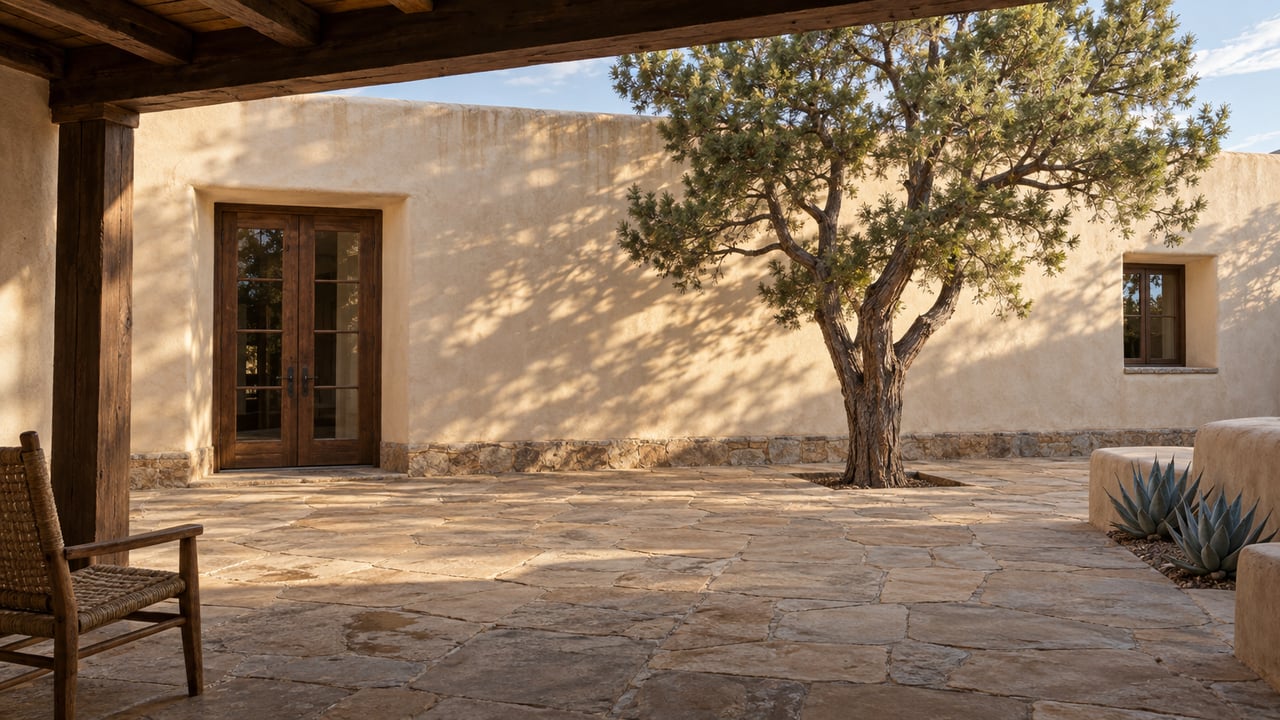
Part of why this Hill reads as static is the layout. The Museum of International Folk Art and the Museum of Indian Arts and Culture share Milner Plaza, the paved courtyard between their two buildings, and the Wheelwright Museum of the American Indian, the Museum of Spanish Colonial Art, and the Santa Fe Botanical Garden sit close enough that you can walk the whole complex without moving your car. That proximity is what makes Museum Hill function as one place instead of five separate destinations, and it's also what makes it easy to assume nothing here is on a clock. Every building looks like it's been there forever. Most of them have. The exhibitions inside them haven't.
The Wheelwright is the outlier in the group, housed in an eight-sided building that nods to traditional Diné hogan construction rather than the Pueblo Revival lines of its neighbors. It's also privately run rather than state-operated, which matters more than it sounds like it should, because it means the Wheelwright's calendar doesn't move in sync with the state museums next door. Its rhythm is its own, and right now that rhythm has already peaked for the year.
August Already Happened
The Wheelwright's Case Trading Post, its museum shop, was founded in 1975 and is currently managed by Ken Williams Jr., who is Arapaho and Seneca. The shop deals in vintage and contemporary Native American art, pottery, jewelry, textiles, baskets, and more, and the museum treats August as its biggest month of the year, anchored by the Benefit Sale, its largest annual fundraiser, alongside the separate Artists' Market. This year's Benefit Sale ran its early bird preview on Wednesday, August 12, with two ticketed entry windows before the sale opened more broadly.
That means the year's single busiest stretch at the Case Trading Post is already behind it. What's left through fall is the shop operating at its normal pace, which is actually the better time to spend real time in it. The pressure of the Benefit Sale crowd is gone, the inventory has settled after the summer sell-through, and the staff who know the collection have room to talk about what's on the shelves instead of managing a line. If the Case Trading Post has been on your list all year, this is the season it rewards a visit rather than just accommodating one.
Free Admission Days and Seasonal Hours
Both museums keep admission policies that change what a visit costs. The Museum of International Folk Art offers free admission to New Mexico residents on the first Sunday of every month, with Wednesday admission free for New Mexico seniors with ID. The Wheelwright charges ten dollars at the door but waives it entirely for members, Native Americans, children under twelve, students, veterans, and active military, and it runs its own Free First Sunday dates on a separate schedule worth checking directly.
Hours shift by season too. The folk art museum is open daily from May through October, then drops to Tuesday through Sunday for the winter and spring months. The Wheelwright holds a steadier Tuesday through Saturday schedule year round, closed Sundays and Mondays outside its free days. Neither of these details shows up on a postcard, but they're the difference between a wasted trip and a free one.
Then GLOW Takes the Whole Hill
Once the Gallery of Conscience closes at the end of November, the Hill's attention moves next door to the Santa Fe Botanical Garden, where La Luz de las Noches, known as GLOW, transforms the grounds into a lantern-lit walk from December 18 through 31, closed on the 24th and 25th. The event runs nightly from 4:30 to 7:30, with adult tickets at $29.95 and youth tickets at $9.95 for ages six to seventeen, and it pulls in live music, food and drink from local chefs and distilleries, and artisan booths from Native American and local makers.
GLOW isn't a quiet coda to the year. It's the one event that pulls foot traffic across the entire Hill at once, garden included, at a time of year when the museums themselves are running reduced winter hours. For a few weeks in December, the Botanical Garden effectively becomes the anchor tenant, the way the folk art museum and its Gallery of Conscience exhibit have been all fall.
That's the actual shape of the calendar here, not a static campus but a handoff. The Acoma pottery show runs its course and disappears with the anniversary it was built around. The Case Trading Post's biggest month gives way to its steadiest one. The garden goes dark most of the year and then, for two weeks in December, becomes the reason everyone comes back. None of it repeats exactly the same way twice, which is the part easy to miss when the buildings themselves never seem to move.
If you've walked past the Museum Hill turnoff a hundred times without stopping, the next two months are a reasonable one to finally make the turn. After November 30, this particular version of the Hill won't be here again.
Santa Fe's neighborhoods each run on their own quiet calendar, and knowing them is part of what makes this market feel like home rather than a transaction. If you're curious what else is worth knowing about living near Old Santa Fe Trail and Museum Hill, or anywhere else in Santa Fe, Paige Cochran is always glad to talk through it.