By Paige Cochran
The kiva fireplace is one of the most recognizable features of a Santa Fe home. Its rounded adobe form, tucked into a corner and finished in smooth plaster, carries centuries of Northern New Mexico building tradition into modern living. If you own a Santa Fe home with one of these hearths, you already know the way it anchors a room and softens hard architectural lines with its sculptural design.
Owning a kiva fireplace also means learning how to care for it properly, since adobe and traditional plaster behave differently from the brick and steel fireboxes found in most parts of the country. A little seasonal attention keeps the surface crack-free, the flue drawing cleanly, and the whole feature looking as warm as the day it was built. Styling matters too, because a well-dressed kiva becomes the focal point that ties an entire room together.
Key Takeaways
- Kiva fireplaces are built from adobe and finished in traditional plaster, which requires gentler care than standard brick fireboxes.
- Seasonal cleaning and annual chimney inspection keep the flue drawing well and protect the plaster from soot buildup.
- Styling a kiva works best when you honor its organic shape with natural textures, warm tones, and simple seasonal accents.
- A well-maintained kiva fireplace adds lasting character and appeal to a Santa Fe home.
What Makes a Kiva Fireplace Unique?
A kiva fireplace is not simply a Southwestern-styled version of a conventional hearth. It is a sculptural element formed from adobe or masonry and finished with earthen or lime plaster, then rounded into that signature beehive silhouette. The shape typically sits in a corner, which allows the firebox to radiate heat efficiently into the room while taking up minimal floor space.
Because the plaster finish is breathable, it responds to changes in humidity and temperature. This is part of what gives adobe its comfortable, temperature-regulating reputation, yet it also means the surface can develop hairline cracks over time as the material expands and contracts.
What To Know
- The firebox is usually smaller than a conventional fireplace, so it burns shorter, seasoned logs most efficiently.
- The flue and chimney are integral to the draw, so proper venting is essential for performance and air quality.
- The rounded shelf surrounding the hearth is original adobe and should be treated as gently as the firebox itself.
Seasonal Care
Keeping a kiva fireplace in great shape comes down to consistent, gentle upkeep. Ash should be removed regularly once it has fully cooled, since leftover ash can absorb moisture and hold onto residue that dulls the plaster.
The plaster surface calls for a soft, dry approach. A dry cloth or a natural-bristle brush removes surface dust without driving it into the porous finish. When smudges appear near the opening, a damp cloth works well, followed by drying the area so that moisture does not linger in the adobe.
Before the cold months arrive, schedule an annual chimney inspection with a professional who understands traditional adobe construction. Creosote buildup and flue obstructions are the most common causes of poor draw and smoke returning into the room.
Simple Routines
- Dust the plaster surface monthly with a soft brush or dry cloth.
- Inspect the visible plaster each season for new hairline cracks or flaking.
- Book a professional chimney and flue inspection yearly.
Repairing and Protecting Plaster
Hairline cracks are a normal part of owning an adobe hearth. These small fissures come from the natural movement of the material. The key is to patch them with a plaster that matches the original finish, since standard drywall compound will not bond correctly and can look out of place against the earthen texture. Many Santa Fe homeowners keep a small container of matching plaster on hand.
For larger repairs or areas near the firebox opening that show heat wear, it is worth bringing in a plaster specialist familiar with kiva construction. Matching color, texture, and the hand-troweled finish takes practice.
If your kiva sees frequent use, ask a specialist whether a breathable finish coat is appropriate for your surface. The right product refreshes the color while still allowing the adobe to regulate moisture.
Assessing Your Hearth
- Cracks that widen over weeks or appear near the firebox should be evaluated by a specialist.
- Flaking or powdery plaster may signal moisture exposure that needs to be traced and corrected.
- Discoloration above the opening usually points to smoke residue.
Styling Your Kiva for Every Season
The sculptural form of a kiva fireplace practically styles itself, so the goal is to enhance its organic shape. Natural materials suit it, since wood, wool, clay, and stone echo the earthen quality of the adobe.
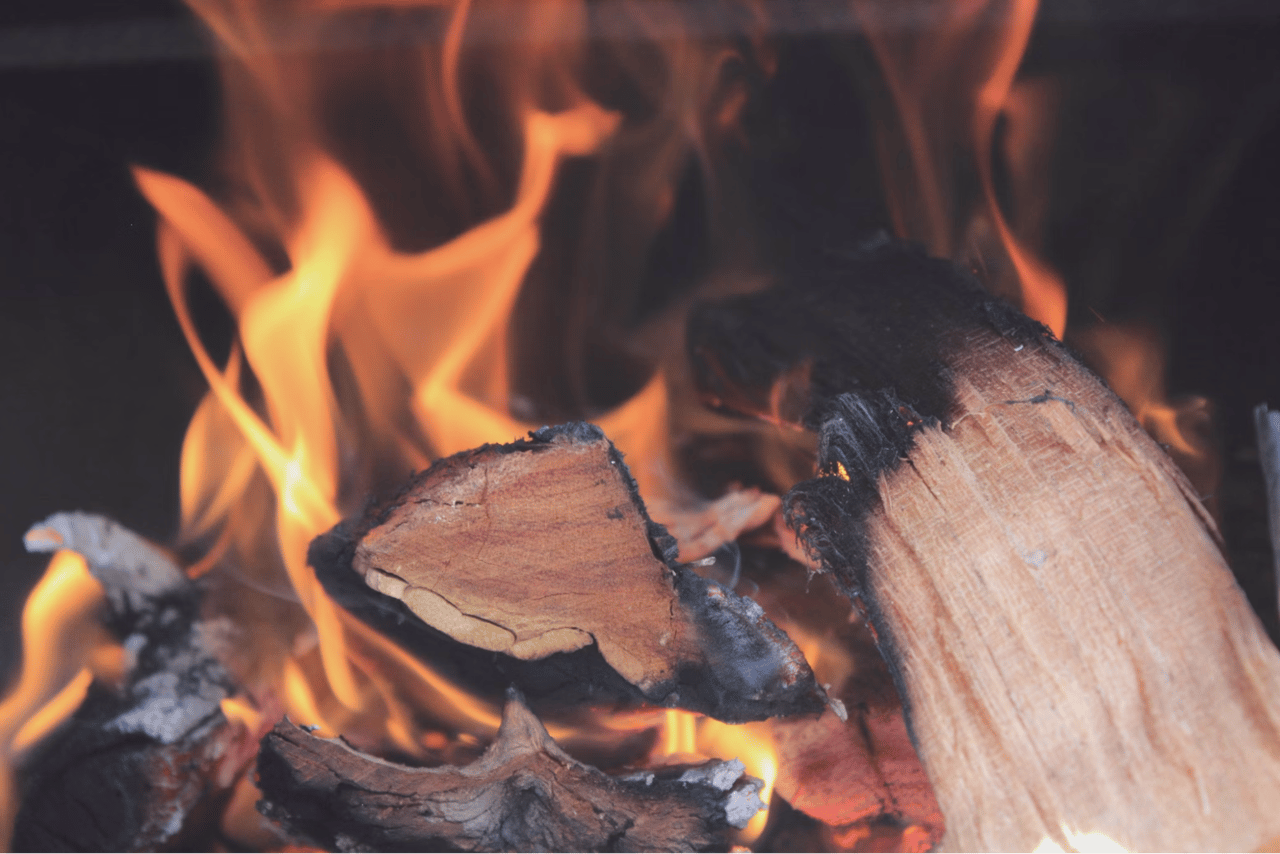
A stack of piñon logs tucked into the firebox during warmer months keeps the feature looking intentional even when no fire is burning, and the piñon adds that unmistakable Northern New Mexico character.
The bancos and shelves surrounding many kivas offer a natural stage for seasonal accents. In cooler months, a simple arrangement of pottery, a wool textile, or a few pillar candles brings warmth to the space. As the seasons shift, you might swap in dried botanicals, a bowl of gourds, or fresh greenery to keep the vignette feeling current.
Color choices should stay in conversation with the adobe. Warm neutrals, terracotta, greens, and the occasional turquoise accent feel at home and reinforce the regional palette.
Styling Ideas
- Arrange seasoned piñon logs inside the firebox for a warm look.
- Display a small collection of local pottery on the bancos.
- Layer a wool textile or handwoven runner nearby to echo the fireplace's natural texture.
FAQs
What Kind of Wood Should I Burn in a Kiva Fireplace?
Well-seasoned piñon and juniper are traditional favorites in Santa Fe homes and burn cleanly in the smaller firebox. Shorter, dry logs work best, since the compact firebox is designed for efficient, controlled fires rather than large roaring blazes.
How Often Should a Kiva Fireplace Be Cleaned?
Remove cooled ash after every few fires and dust the plaster surface about once a month. A deeper professional cleaning and chimney inspection should be completed once a year, ideally before you begin burning wood for the season, so any creosote buildup or flue obstruction is caught early.
Does a Kiva Fireplace Add Value to a Santa Fe Home?
A well-maintained kiva fireplace is a genuine asset in the Santa Fe real estate market. Buyers here appreciate authentic regional features, and a hearth that has been cared for signals that the rest of the home has likely received the same attention.
Kiva Fireplaces: Making the Most of Your Santa Fe Hearth
A kiva fireplace rewards the steady care it asks for. Thoughtful styling that honors the adobe's organic form turns the hearth into the natural heart of your home, ready to anchor gatherings through every season.
If you are thinking about buying or selling a home with authentic Santa Fe character, I know how much these details matter in our market. Contact me, Paige Cochran, and let's start the conversation.