By Paige Cochran
At roughly 7,200 feet, Santa Fe ranks among the highest state capitals in the country, and that elevation shapes far more than the views. From how homes are built and heated to how the sun and dry air affect a property over time, altitude touches nearly every part of ownership here. Buyers arriving from lower elevations often discover considerations they never anticipated.
This guide explores how high altitude living should factor into buying a house in Santa Fe NM, from construction to comfort.
Key Takeaways
- Climate: High elevation brings intense sun, dry air, and real winters.
- Construction: Building materials and methods respond to the altitude.
- Systems: Heating and moisture management take on added importance.
- Comfort: Acclimating to elevation affects daily living.
How Elevation Shapes the Climate
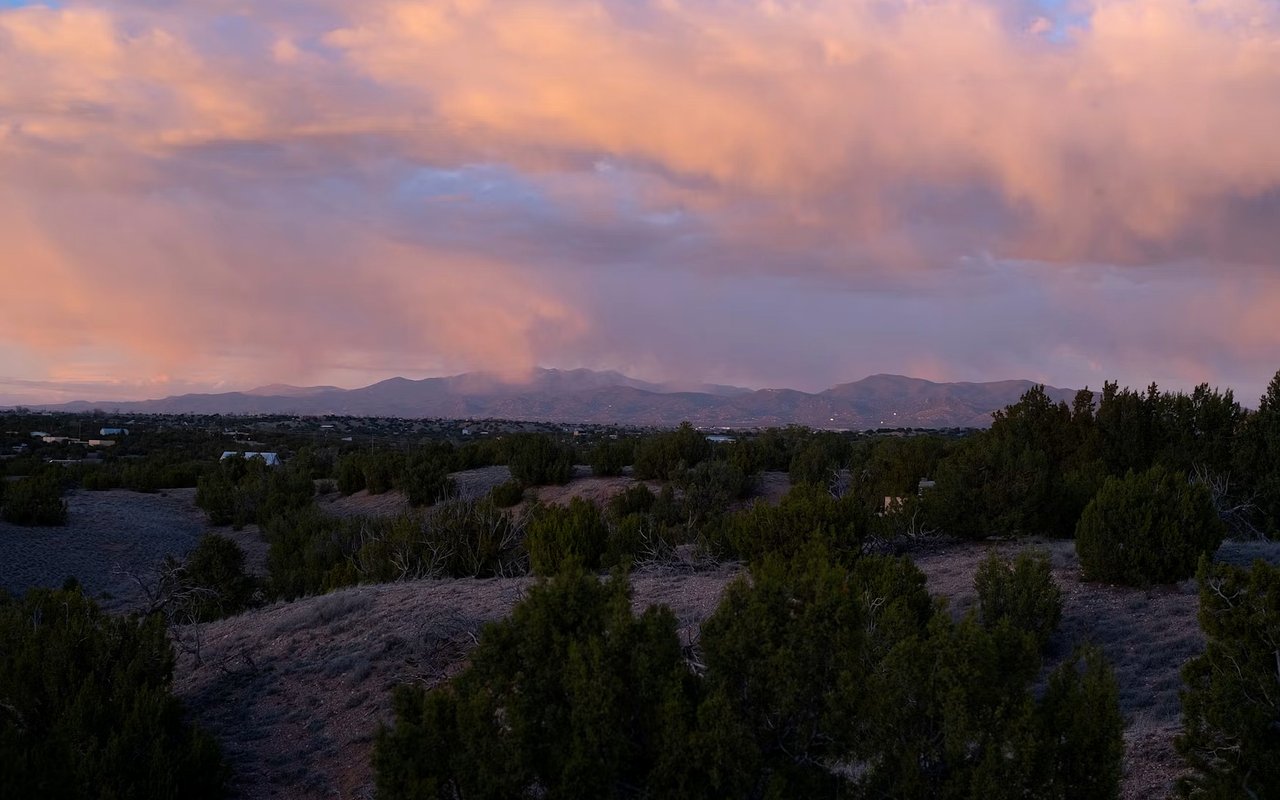
The first thing to understand when buying a house in Santa Fe NM is how dramatically the elevation shapes the local climate. The high desert brings intense sunlight, low humidity, cool nights, and genuine winter snow.
- Intense Sun: The thin air at altitude allows for stronger, more direct sunlight.
- Low Humidity: The dry high-desert air affects both comfort and materials.
- Temperature Swings: Days and nights can differ dramatically in temperature.
- Winter Snow: Real snowfall arrives in the colder months at this elevation.
Understanding these conditions helps buyers set realistic expectations. I walk clients through how the local climate will affect their daily life and their home.
How Altitude Affects Home Construction
Elevation genuinely influences how homes are built, a key consideration when buying a house in Santa Fe NM. Traditional and modern construction alike respond to the demands of the high desert.
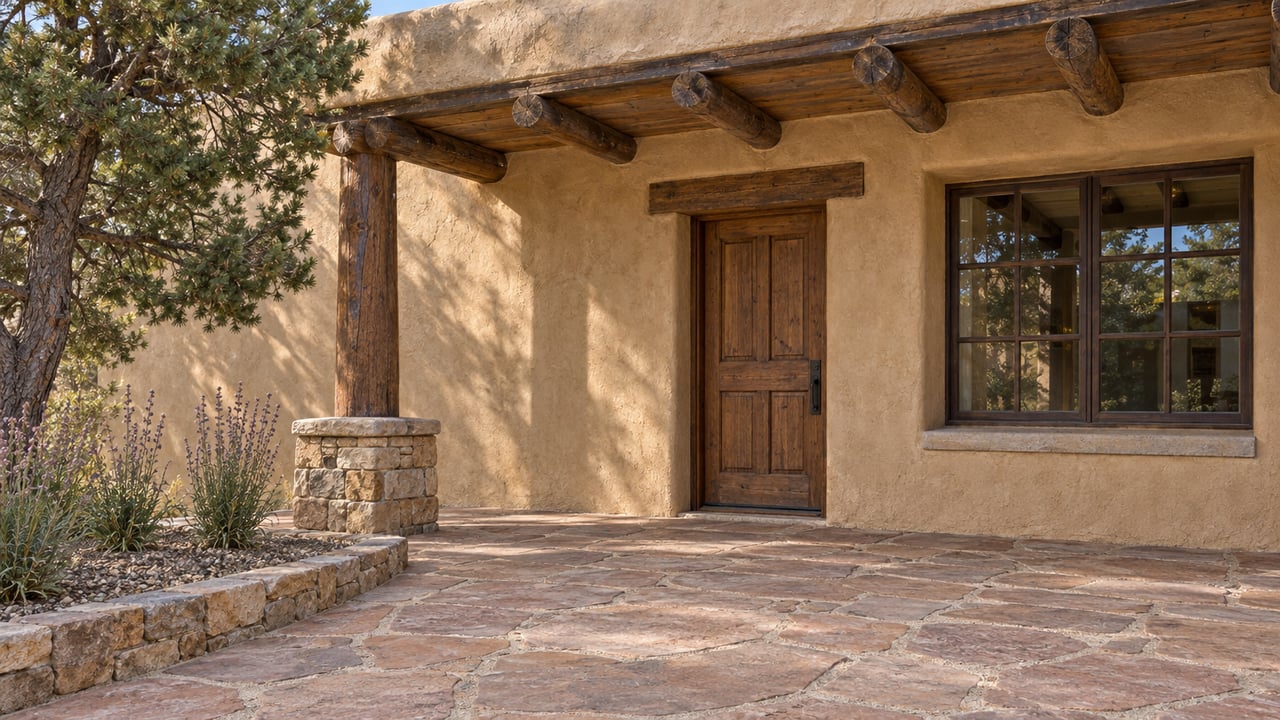
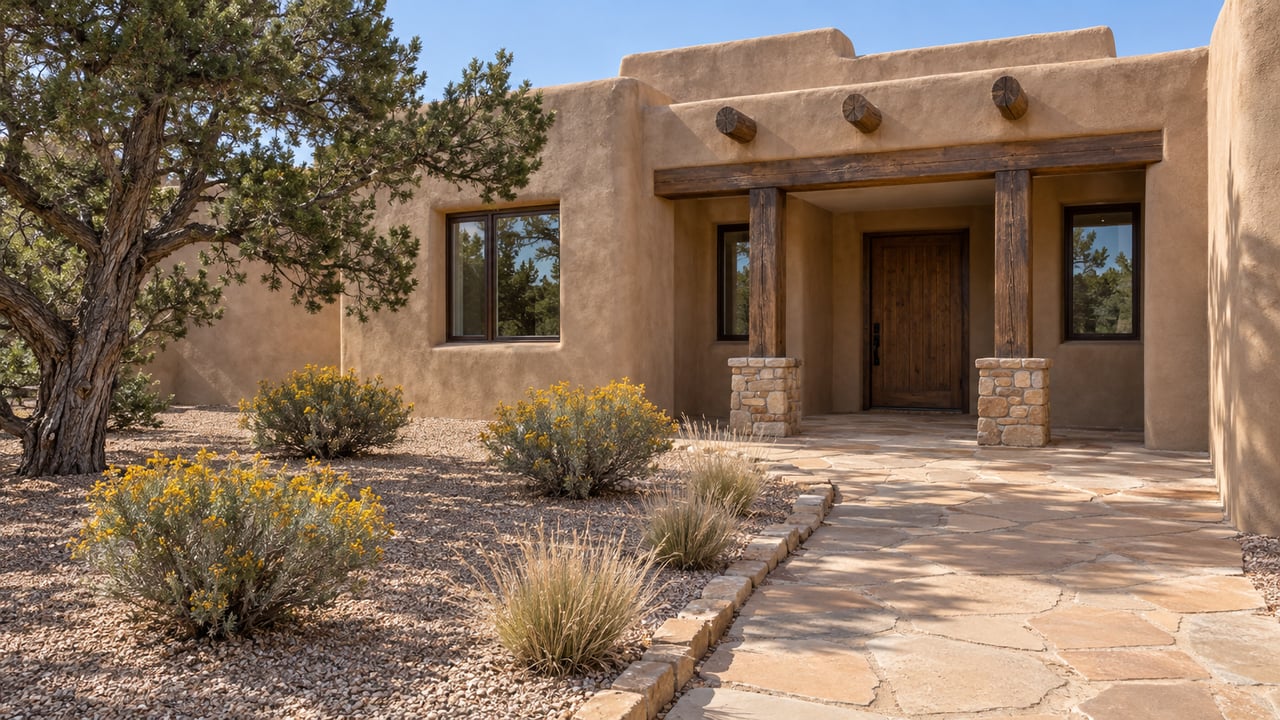
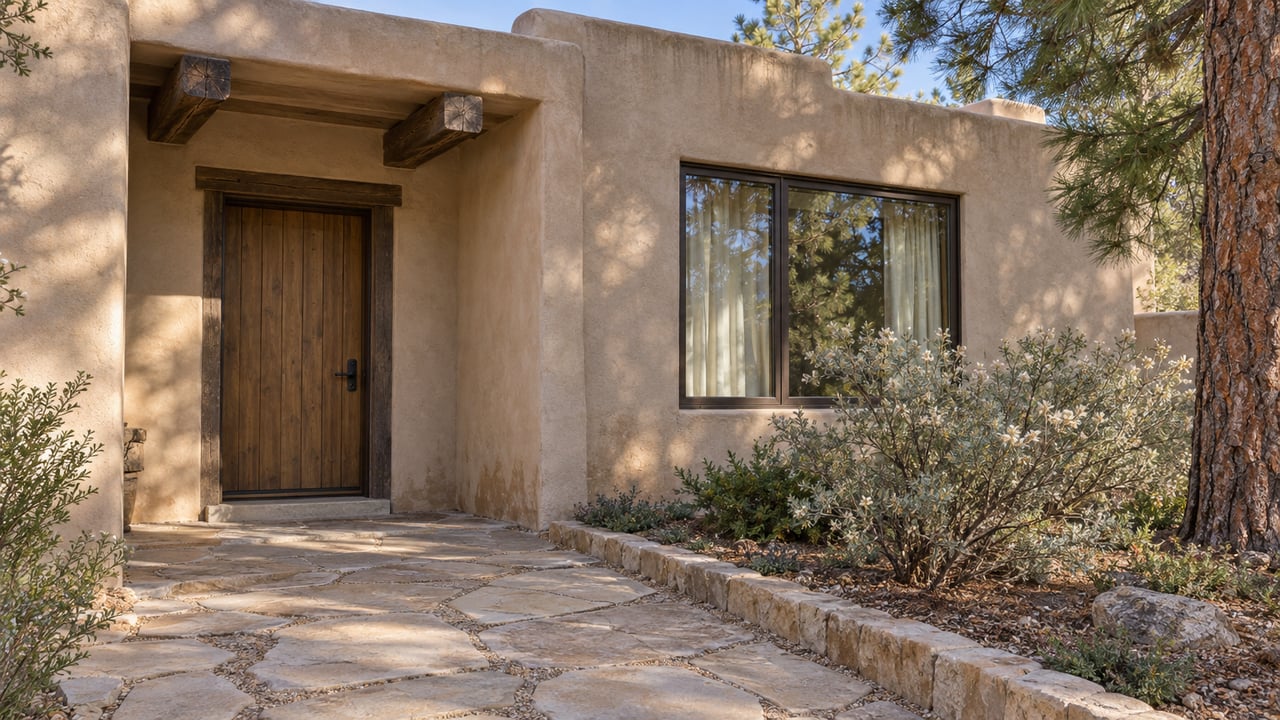
- Adobe and Stucco: Traditional materials handle the temperature swings well.
- Roof Design: Roofs must manage both intense sun and winter snow loads.
- Insulation: Quality insulation matters given the significant temperature swings.
- Sun Exposure: Window placement and shading respond to the strong sunlight.
These construction factors affect a home's comfort and durability. I help clients understand how a specific property's construction suits the high-desert environment.
Heating, Cooling, and Home Systems
Home systems take on particular importance when buying a house in Santa Fe NM at this elevation. The climate places specific demands on heating, cooling, and moisture management.
- Heating Systems: Reliable heating matters for the genuine winter cold.
- Evaporative Cooling: The dry air makes swamp coolers a common, efficient option.
- Humidification: Some homeowners add humidity to counter the very dry air.
- Radiant Heat: In-floor radiant heating is popular in many Santa Fe homes.
I encourage clients to evaluate a home's systems closely given the demands of the climate.
Protecting a Home in the High Desert
The intense sun and dry air of the high desert affect a home over time, a real factor in buying a house in Santa Fe NM. Ongoing maintenance responds to these particular conditions.
- Sun Damage: Intense UV exposure weathers exterior finishes over time.
- Stucco Upkeep: Traditional stucco exteriors require periodic maintenance.
- Wood Care: Exposed wood elements need protection from sun and dryness.
- Roof Maintenance: Roofs benefit from regular attention given sun and snow.
Planning for this upkeep keeps a home in good condition over the years. I help clients understand the maintenance a high-desert property genuinely requires.
Adjusting to Life at Altitude
Beyond the home itself, buyers should consider how elevation affects daily living when buying a house in Santa Fe NM.
- Acclimation Period: Newcomers often need days or weeks to adjust to the altitude.
- Hydration Needs: The dry air and elevation increase the need for water.
- Sun Protection: The intense high-altitude sun calls for diligent sun protection.
- Gradual Activity: Easing into physical activity helps the body adjust.
Newcomers from lower elevations often need time to acclimate. I share these practical considerations with clients relocating from lower elevations.
FAQs
How high is Santa Fe and why does it matter?
Santa Fe sits at roughly 7,200 feet, making it one of the highest state capitals in the country. This elevation affects the climate, home construction, systems, and even how newcomers acclimate to daily life.
Do homes in Santa Fe need special systems for the climate?
Many homes use evaporative cooling suited to the dry air, along with reliable heating for genuine winters. Some homeowners also add humidification to counter the very dry high-desert air.
How does the high-desert climate affect home maintenance?
The intense sun and dry air weather exterior finishes, stucco, and exposed wood over time. Regular maintenance responds to these conditions and keeps a home in good condition.
Contact Paige Cochran Today
With a clear picture of what high-desert living involves, you can choose a home built and equipped for the environment.
If you're considering a move to Santa Fe, reach out to me, Paige Cochran. I know this high-desert market intimately, from adobe construction to the systems that keep homes comfortable, and I'd be honored to help you find a home suited to life at 7,000 feet.
If you're considering a move to Santa Fe, reach out to me, Paige Cochran. I know this high-desert market intimately, from adobe construction to the systems that keep homes comfortable, and I'd be honored to help you find a home suited to life at 7,000 feet.