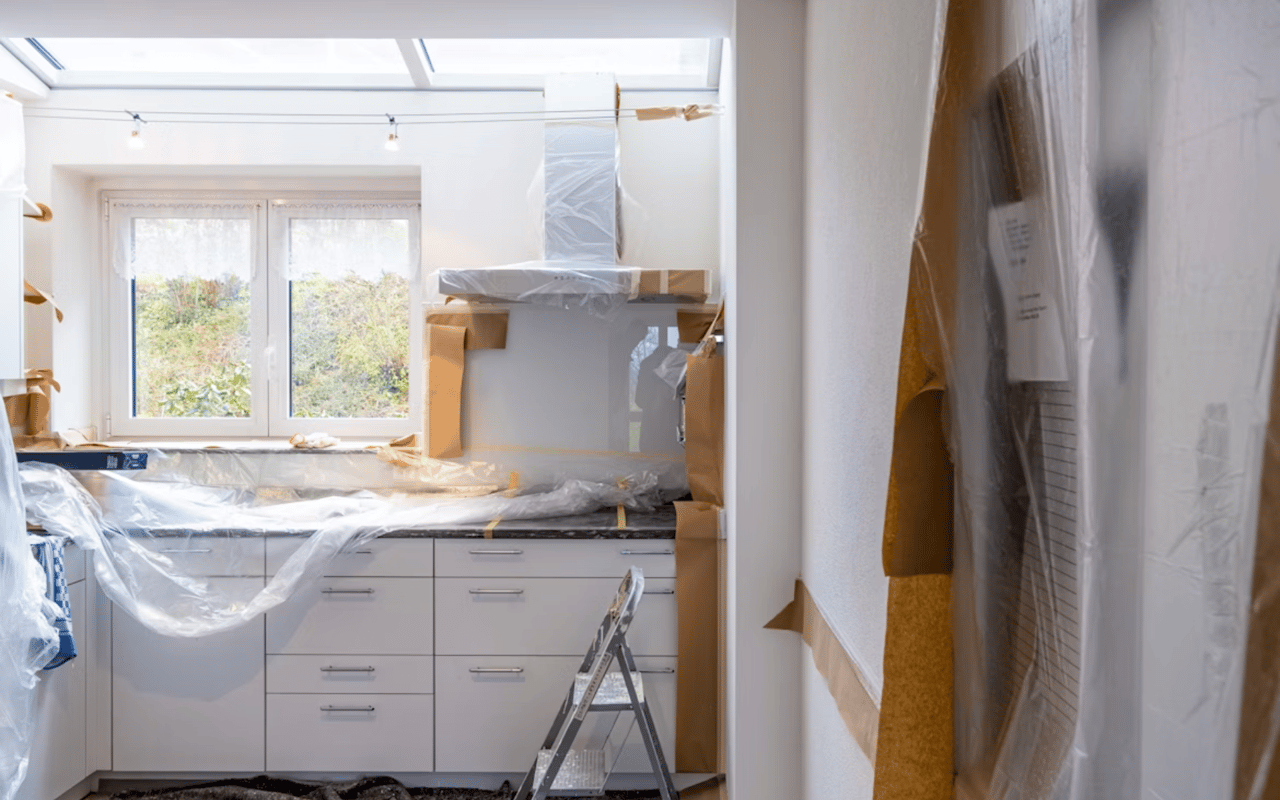
A home renovation can refresh the appearance of a space. It can also test patience, timelines, and budgets if decisions are made hastily or goals are unclear. The most successful projects are built on clear planning, honest numbers, and steady communication. In Santa Fe, where adobe textures, mountain light, and indoor-outdoor living shape daily life, smart choices can also protect the character that makes local homes feel timeless.
1) Begin with a Purpose, Not a Pinterest Board
Before talking finishes or fixtures, decide what the remodel needs to solve. Do you want better flow for gatherings? More storage? Write down three outcomes that would make the project a success. Those will become the filter for every choice that follows. If a design idea does not align with the core goals, it can be deferred to a later phase.
A renovation often benefits from aligning with the home’s setting. That might mean capturing a mountain view with a larger window or improving the indoor-outdoor connection with a shaded portal. When the vision is grounded in how the house is used on a daily basis, the design feels natural rather than forced.
A renovation often benefits from aligning with the home’s setting. That might mean capturing a mountain view with a larger window or improving the indoor-outdoor connection with a shaded portal. When the vision is grounded in how the house is used on a daily basis, the design feels natural rather than forced.
2) Build a Budget that Reflects Reality
Budgets do more than set limits. They protect priorities. Create a simple spreadsheet that includes design fees, permits, labor, materials, delivery, storage, and a contingency. A healthy contingency is ten to fifteen percent for most projects. Older homes or those with structural changes may require more. Pricing three comparable options for large categories, such as flooring or cabinetry, provides flexibility in case costs shift.
Think in terms of total value rather than the cheapest line item. Durable materials, quality hardware, and skilled trades add upfront cost but reduce repairs and replacements later. In Santa Fe’s dry climate, choose finishes that handle sun and temperature swings well. A honed stone, solid wood door, or UV-rated window can save money over time and keep the home looking fresh.
Think in terms of total value rather than the cheapest line item. Durable materials, quality hardware, and skilled trades add upfront cost but reduce repairs and replacements later. In Santa Fe’s dry climate, choose finishes that handle sun and temperature swings well. A honed stone, solid wood door, or UV-rated window can save money over time and keep the home looking fresh.
3) Choose a Team that Communicates Clearly
A remodel is a collaboration. The right mix of architect, designer, contractor, and key subcontractors makes every step smoother. Look for professionals who listen, explain their process, and provide detailed scopes. Ask how they manage lead times, inspections, and change orders. Request references from recent clients and visit at least one active job site to see the organization in action.
Communication should be consistent and simple. Weekly check-ins keep decisions moving and uncover small issues before they escalate into larger ones. A shared folder for plans, finish schedules, and approvals helps everyone stay aligned. When questions arise, fast answers save days. Good teams value that rhythm and protect it.
Communication should be consistent and simple. Weekly check-ins keep decisions moving and uncover small issues before they escalate into larger ones. A shared folder for plans, finish schedules, and approvals helps everyone stay aligned. When questions arise, fast answers save days. Good teams value that rhythm and protect it.
4) Respect the Structure, Refine the Plan
Opening a wall or moving a door can transform how a home lives. It can also trigger structural, electrical, and mechanical changes. Before committing to a major shift, ask the team to confirm framing direction, load paths, plumbing stacks, and duct runs. Often, there is a design solution that preserves the desired feeling without requiring costly structural rework. For example, a wider cased opening can create sightlines and light without removing an entire wall.
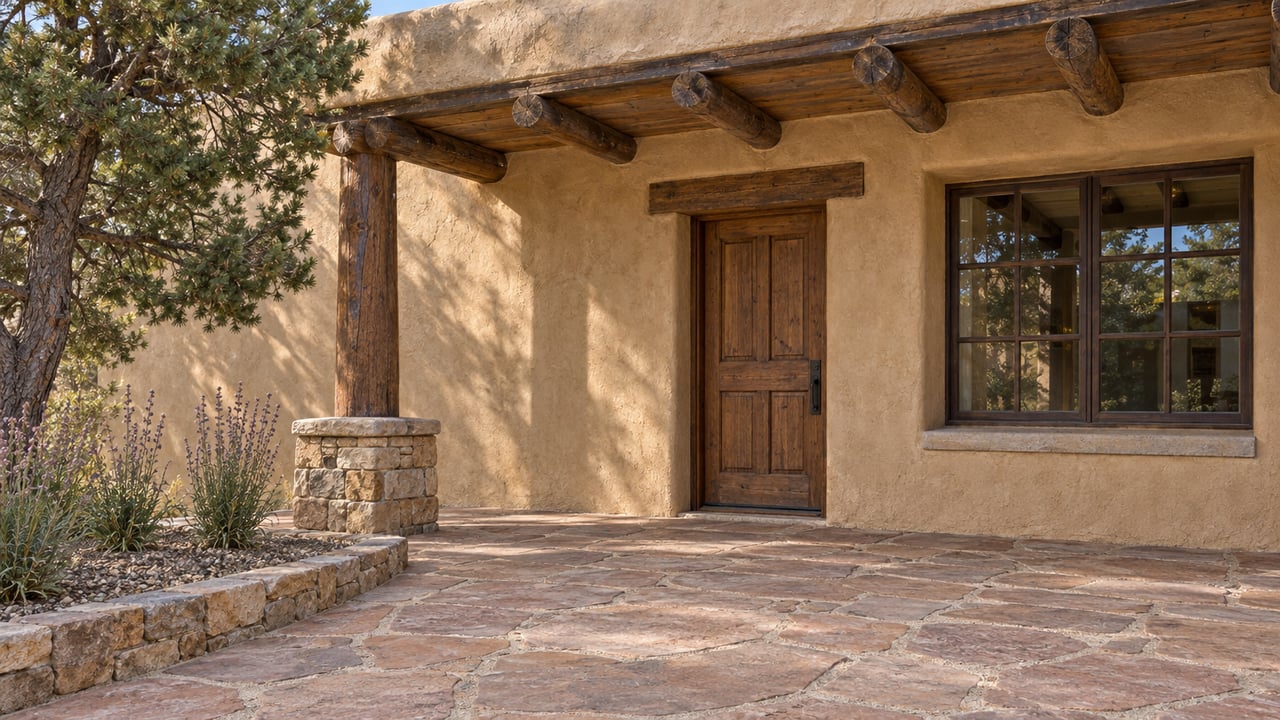
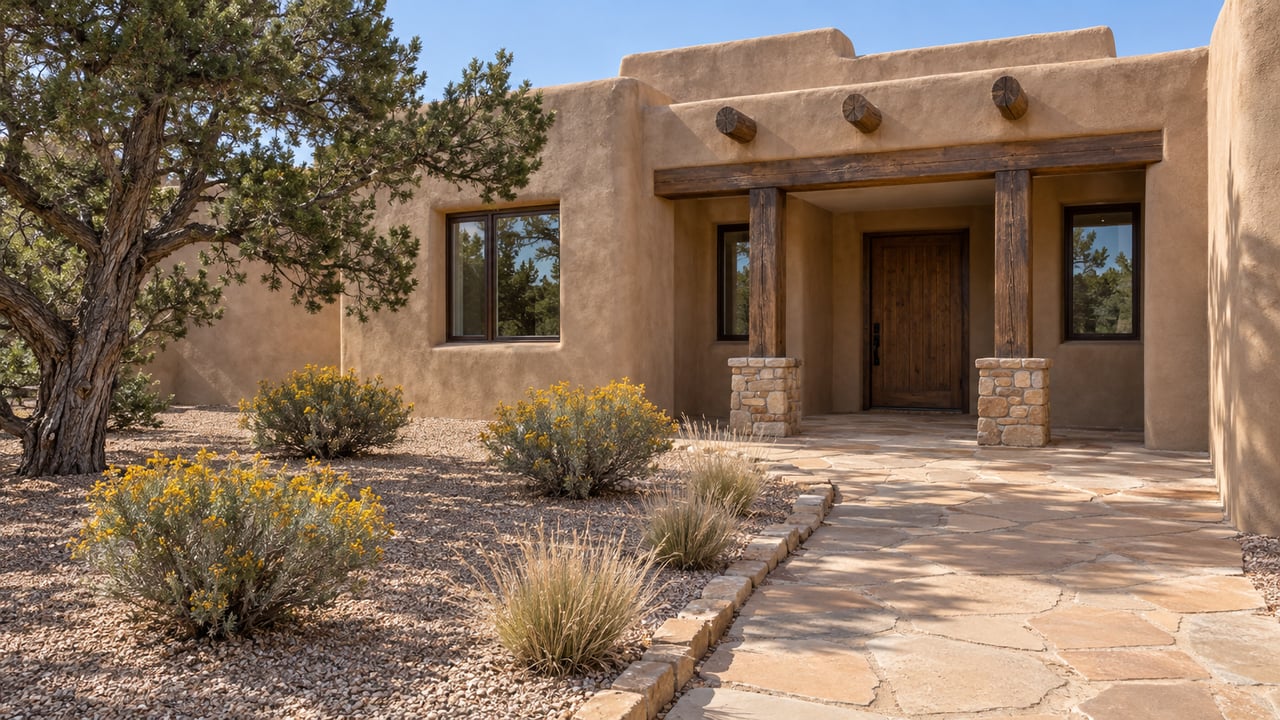
Santa Fe homes often feature distinctive materials, such as vigas, kiva fireplaces, and thick plaster. Keep what gives the house its identity. Frame views to these features and select new finishes that complement them well. A remodel that respects the bones of the house will always feel more coherent and more valuable.
Santa Fe homes often feature distinctive materials, such as vigas, kiva fireplaces, and thick plaster. Keep what gives the house its identity. Frame views to these features and select new finishes that complement them well. A remodel that respects the bones of the house will always feel more coherent and more valuable.
5) Sequence the Work like a Pro
Projects can get messy when the order of operations is ignored. A clean sequence prevents rework and protects finishes. Begin with demolition and rough-in for plumbing, electrical, and HVAC systems. Complete framing and inspections before insulating and closing walls. Then, move on to floors, tile, cabinetry, trim, paint, and finally, fixtures. Bring landscaping and exterior touchups near the end, once heavy deliveries are complete.
Set decision deadlines that match the sequence. The tile needs to be chosen before waterproofing starts. Appliances must be confirmed before cabinets are built. Lighting plans should be finalized before the drywall is installed. A simple timeline that lists what must be selected by a specific date keeps the team focused and the job moving forward.
Set decision deadlines that match the sequence. The tile needs to be chosen before waterproofing starts. Appliances must be confirmed before cabinets are built. Lighting plans should be finalized before the drywall is installed. A simple timeline that lists what must be selected by a specific date keeps the team focused and the job moving forward.
Make Design Choices that Age Well
Trends come and go. Proportions, light, and honest materials last. Favor calm palettes for large surfaces and bring character through texture and craftsmanship. In kitchens, a balanced mix of closed storage and a few open moments stays practical and beautiful. In baths, classic tile patterns, solid metal hardware, and good ventilation are worth every penny. For floors, choose materials that can be refinished or repaired rather than replaced.
If energy efficiency is part of the plan, address the envelope first. Air sealing, insulation, and quality windows reduce loads on mechanical systems and improve comfort in every season. Add smart controls for lighting and temperature that are simple to use. Small efficiency upgrades throughout the project create a noticeable improvement in daily life.
If energy efficiency is part of the plan, address the envelope first. Air sealing, insulation, and quality windows reduce loads on mechanical systems and improve comfort in every season. Add smart controls for lighting and temperature that are simple to use. Small efficiency upgrades throughout the project create a noticeable improvement in daily life.
Plan for the People Who Will Live There
Great design is not only about the space. It is about the routines inside it. Think about where shoes and bags land, how pets move through the house, where mail and charging cords gather, and how guests use the home. Add storage and surfaces that solve those real habits. A drawer where a bin once stood. A charging shelf inside a pantry. A bench by the back door. When form follows function, the home feels easier from the first day back.
If the remodel is to occur while you remain in the house, establish boundaries that keep life manageable. Create a temporary kitchen zone with a small fridge, microwave, and coffee setup. Protect one bathroom as a dust-free zone. Ask the contractor to define daily cleanup and access times. A little planning reduces stress for everyone.
If the remodel is to occur while you remain in the house, establish boundaries that keep life manageable. Create a temporary kitchen zone with a small fridge, microwave, and coffee setup. Protect one bathroom as a dust-free zone. Ask the contractor to define daily cleanup and access times. A little planning reduces stress for everyone.
Know When to Phase the Project
Not every renovation needs to happen all at once. Phasing can be smart if budget or timing is tight, or if you want to live in the home before making major choices. Start with the highest-impact areas, such as kitchens, primary bathrooms, or flooring that runs through several rooms. Address infrastructure while the walls are open. Plan future phases on paper so today’s work supports tomorrow’s additions, with utilities and framing in the right places.
Keep the Finish Line in Sight
As a project nears completion, small decisions multiply. Hardware placement, mirror sizes, dimmer locations, and door swings all matter. Walk the job with a checklist and blue tape. Confirm details with the team in person. Schedule a final clean after punch list items are complete so the home welcomes you back in its best light. Photograph the work and save warranties, manuals, and color codes in one folder for future reference.
Putting it All Together
The best remodeling tips are the ones that keep a project calm and focused. Define why you are renovating. Budget with honesty. Hire for skill and communication. Respect the house. Sequence the work. When choices follow those principles, the result looks beautiful and lives up to expectations even better. In Santa Fe, where landscape and architecture are integral to daily life, a thoughtful remodel can add comfort, character, and lasting value.
These remodeling tips also serve as a reminder that good outcomes are built on a steady process. Begin with purpose, choose with care, and finish with pride. The house will show the difference.
These remodeling tips also serve as a reminder that good outcomes are built on a steady process. Begin with purpose, choose with care, and finish with pride. The house will show the difference.
Local Guidance for Smarter Renovations
Planning a remodel in Santa Fe and want to focus on decisions that truly add value. Paige Cochran can help you align scope, budget, and design with what local buyers notice most. With on-the-ground insight and a network of trusted pros, she helps clients move from idea to completion with fewer surprises. To discuss your plans or upcoming listing strategy, connect with Paige Cochran today.
Recommended reading: Should You Hire a Contractor or Do It Yourself?
*Header image courtesy of Unsplash